

Prague City Tourism: The Hidden Communist Past of PIS
Prague's golden tourist centers hide a Communist-era secret: Pražská Informační Služba (PIS), founded in 1958, wasn't just for visitors—it promoted socialist ideology and monitored Western tourists through guides.
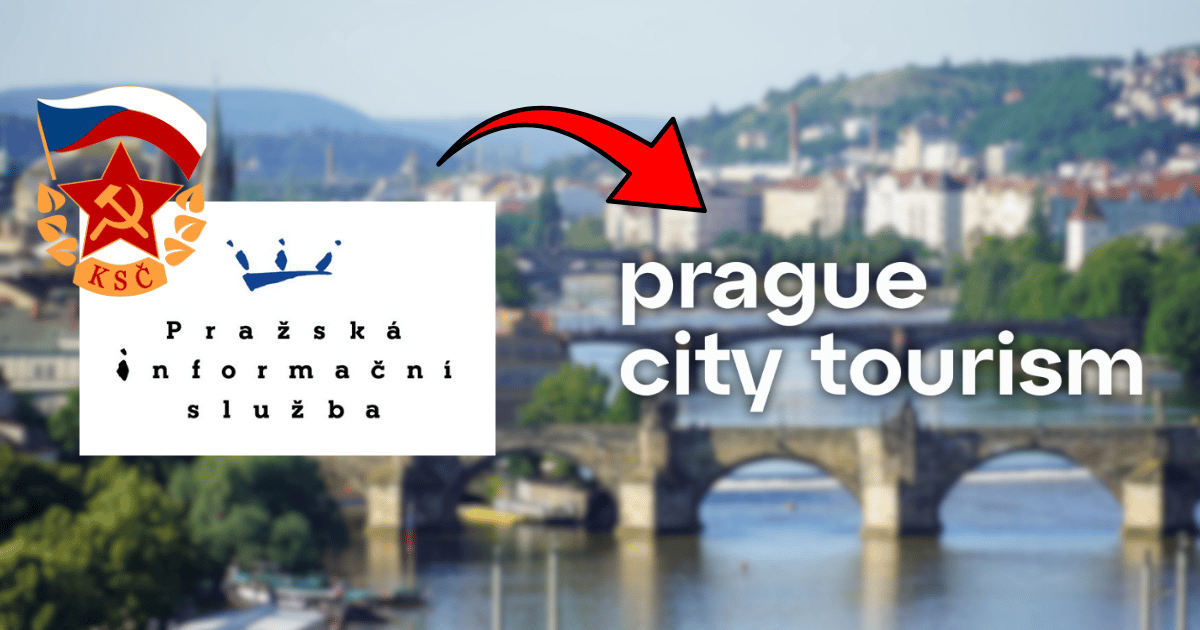
When you arrive in Prague, you’ll likely notice the golden tourist information centers operated by Prague City Tourism (PCT), the city’s official tourism authority. These centers offer helpful brochures, Prague Visitor Passes, and multilingual staff ready to assist. However, many locals still refer to the organization by its original name, Pražská Informační Služba (PIS), a legacy that persists despite the official rebranding less than a decade ago. For clarity, I will use both names depending on the time period discussed.
What Was PIS?
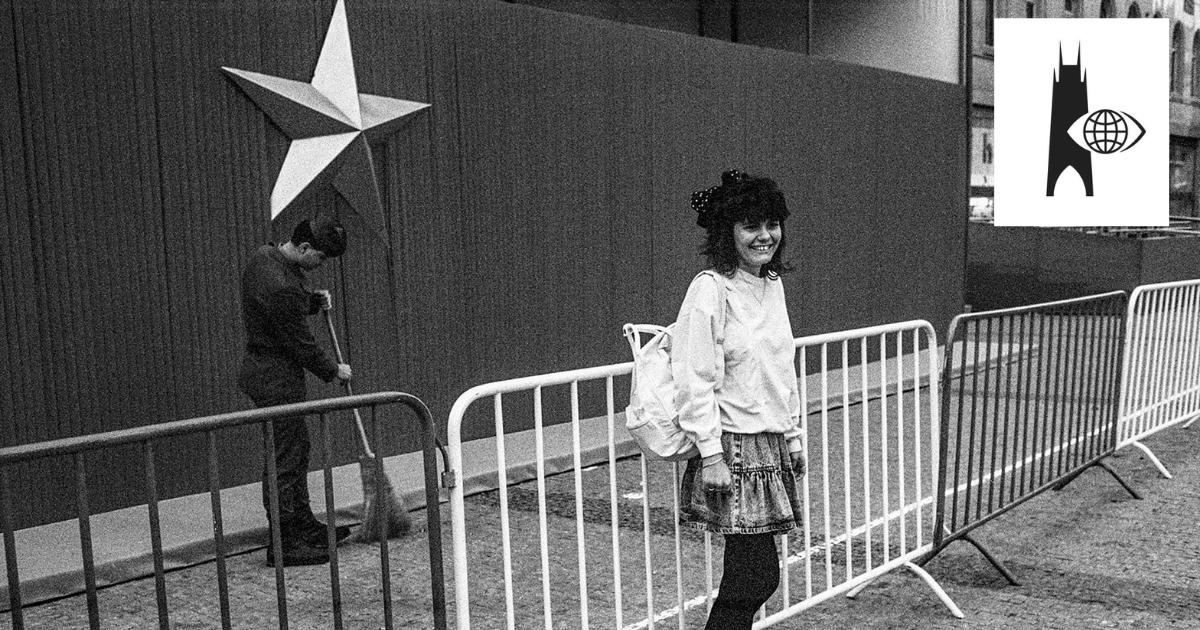
Prague City Tourism emphasizes its long history as the city’s oldest tourism organization. However, what many visitors don’t realize is that the roots of PIS date back to Cold War-era Czechoslovakia, when it was more than just a tourism bureau—it also served as a tool of Communist ideology. It sounds dramatic…because it was.
Founded in 1958 during a period of strict Communist control, PIS was tasked not only with promoting Prague as a tourist destination but also with embedding socialist propaganda into tours, guidebooks, and cultural events. Tour guides received extensive training in Prague’s history, but they were also instructed to subtly influence visitors’ opinions in favor of the regime. As their training manual stated:
“No matter how good a brochure, leaflet, poster, or film may be, they cannot replace the propagandistic value of direct personal contact and the ability to respond tactically to a given situation—qualities possessed by a guide.”
This emphasis on human interaction reflects a broader truth about memory and experience. While visitors may forget the names of streets and buildings, personal connections—much like childhood friendships formed at summer camps—often last a lifetime.
PIS After the 1968 Invasion
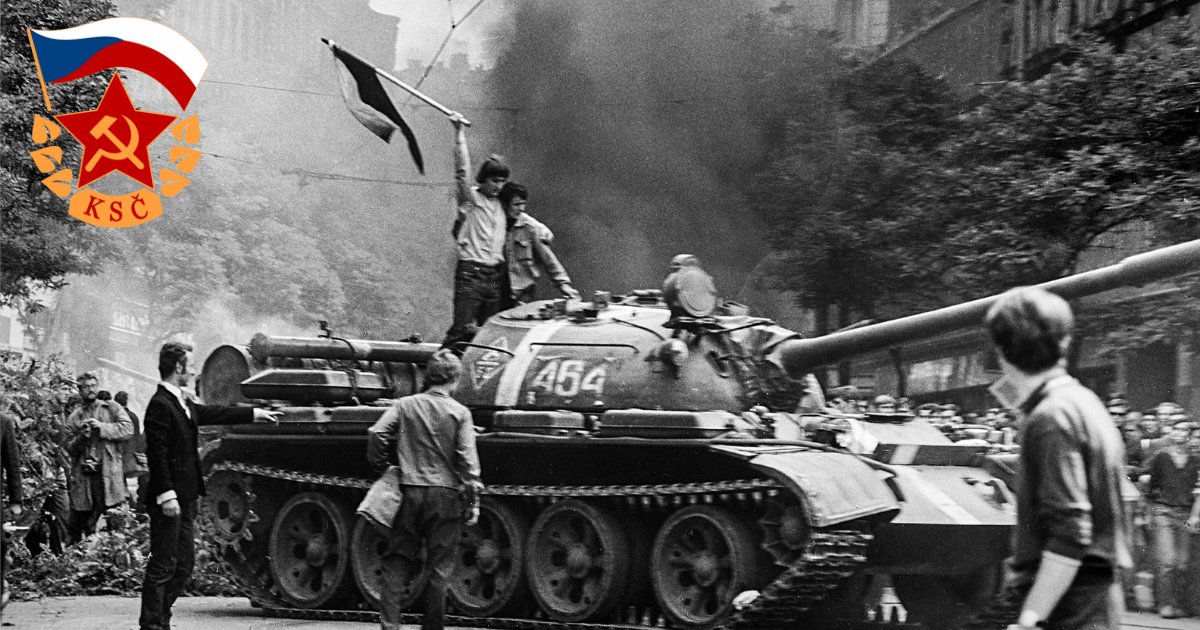
The influence of PIS expanded significantly after the 1968 Warsaw Pact invasion of Czechoslovakia and during the subsequent normalization period. By the 1970s, tourism was booming, and Prague welcomed millions of international visitors each year. The Communist Party required guides to promote a positive image of socialism alongside the city’s historical heritage. Training programs became mandatory and included ideological education. Guides were closely supervised to ensure they highlighted socialist achievements as well as historic landmarks.
PIS employees were specifically instructed to tactfully counter any negative opinions expressed by Western tourists, using historical and political arguments to reshape their perspectives. Regular inspections reinforced these expectations, and guides who avoided socialist topics risked losing their licenses. Today, guides are mainly checked for proper documentation, so it is difficult to imagine the level of pressure they faced at the time. Some guides were praised for successfully balancing history and ideology, while others were criticized for focusing solely on older history and ignoring contemporary political narratives.
Political Tests for Tour Guides
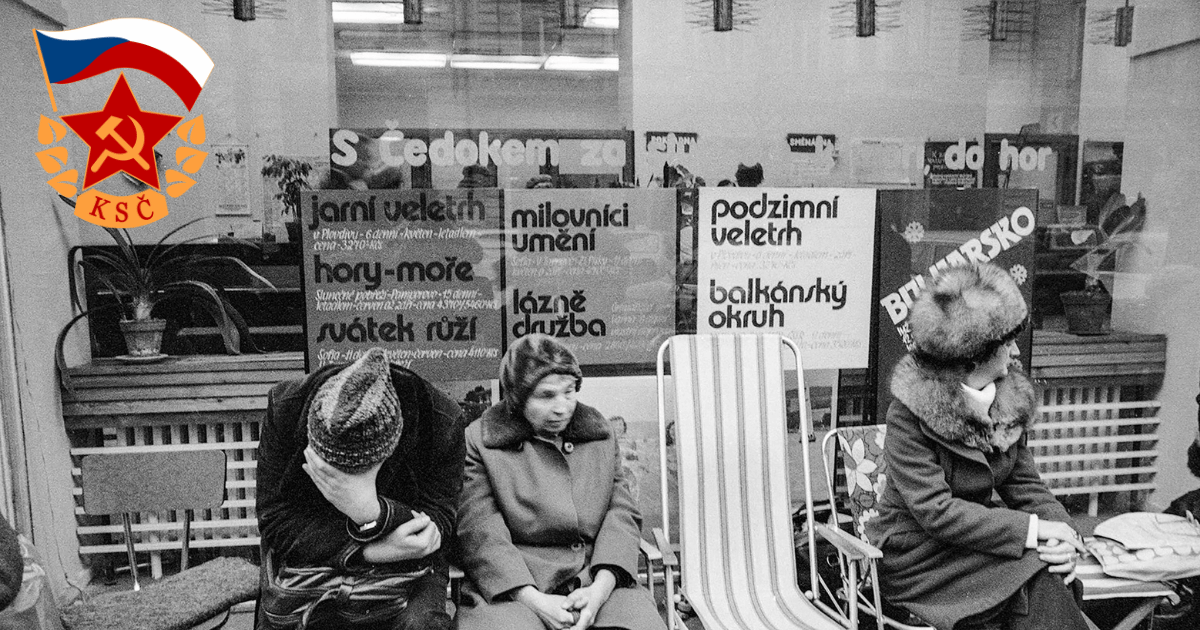
Political reliability was essential. A letter from that period reveals that guides could fail their licensing process not because of a lack of knowledge, but because they did not adequately represent the socialist state. Here is an excerpt from a 1970–71 letter from the director of the Prague Information Service to the director of the Culture Department at the National Committee:
“Dear Comrade Director,
I’d like to inform you about some matters concerning guides. In the 1970/1971 guide course, Alois Mikeštík (b. 1933) and Dr. Ludvík Vandas (b. 1914) were enrolled. Although both passed the course and the exams, I do not intend to enter into an agreement with them for external guiding activity. From a personnel standpoint, they do not guarantee good representation for our socialist republic nor for the Prague information service. I recommend that permits for guiding be denied to both named individuals.”
Surveillance Role in Tourism
Another lesser-known aspect of PIS’s history involves its role in information gathering during the Communist era. Like many state organizations, PIS operated within a system that monitored Western visitors, particularly diplomats and journalists, who were closely watched by the secret police. For example, Hotel Jalta—reserved primarily for foreign guests—was extensively bugged, with a secret police office located in its nuclear bunker, unknown to both guests and most staff. Although tour guides were unlikely to extract significant intelligence directly, their multilingual abilities and occasional translation duties meant they could serve as informal sources of information for the regime.
Some former guides later reported that they were questioned after their tours by StB agents or individuals they recognized as such. They were asked to recount conversations with specific clients, including details such as the clients’ age, purpose of visit, profession, and anything else considered valuable by the authorities. Most complied out of fear of consequences.
Prague City Tourism Today
Since moving away from the PIS name, Prague City Tourism has made efforts to distance itself from this complex and controversial past. However, much about its role during the Communist period remains unclear due to limited publicly accessible records. This creates a lingering sense of mystery behind the polished tourist experience presented today.
While researching this article, I had to rely primarily on secondary academic sources, including theses and scholarly work. When I attempted to contact the Prague City Archives to obtain firsthand information, I was caught in a seemingly endless cycle of referrals—being repeatedly told to contact different departments because the requested information was unavailable. Eventually, I was informed that parts of the original archive had been damaged and that access to certain materials could not be provided.
For the record, my inquiry was neither complex nor controversial. I was simply looking for basic information, such as the names of the individuals who established PIS, key dates, and examples of its promotional materials. Even this proved difficult to obtain. In the end, I was referred back to the same archive I had originally contacted, which had already directed me elsewhere. A true Kafkaesque experience!
This may not be intentional, but it is certainly curious that information which should, in principle, be publicly accessible remains so difficult to obtain.
My Personal Experience with PIS Training
My personal experience: I studied at the PIS guiding school for official certification some time back. While I am very grateful for this experience, I wish they were more transparent about their past. This is better than finding out all the information on your own. Perhaps it is nothing to be proud of, even though they do flaunt the fact that they are one of the oldest still functioning tourist organizations in the Czech Republic.
FAQ: Prague Tourist Information History
What was Pražská Informační Služba (PIS)?
PIS was the original name of Prague City Tourism, founded in 1958 as a Communist tool to promote ideology through tours and guidebooks.
Why was tourism used for propaganda in Communist Prague?
Guides were trained to subtly push socialist views, counter Western criticisms, and highlight regime achievements alongside historic sites.
Did Prague tour guides help the secret police (StB)?
Some guides were questioned post-tour about clients' details like age, profession, and conversations, often complying out of fear.
How has Prague City Tourism changed since Communism?
It rebranded from PIS, focuses on neutral tourism services, but its full Communist-era records remain hard to access.
Why is PIS history relevant for Prague visitors today?
It reveals the layered past behind familiar tourist centers, adding depth to your Prague walking tour experience.
Sources:
Bc. Eliška Řezníčková Českoslovenští průvodci cestovního ruchu a jejich role ve společnosti v období tzv. normalizace - https://dspace.cuni.cz/bitstream/handle/20.500.11956/81084/120225206.pdf?sequence=1
WRITTEN BY VALERY
Licensed Prague guide and co-creator of Real Prague Guides (50K+ YouTube subscribers). My company, 100 Spires City Tours, leads some of the highest-rated tours in Prague.
📷 Instagram: @realpragueguides
📺 YouTube: Real Prague Guides
🎫 Book a tour: tours-prague.eu
Disclaimer: This article reflects the personal opinions of the author and is not intended to discourage visitors to Prague from businesses mentioned above.