

Traveling to Prague With a Dog: Rules, Parks, Transport & Tips
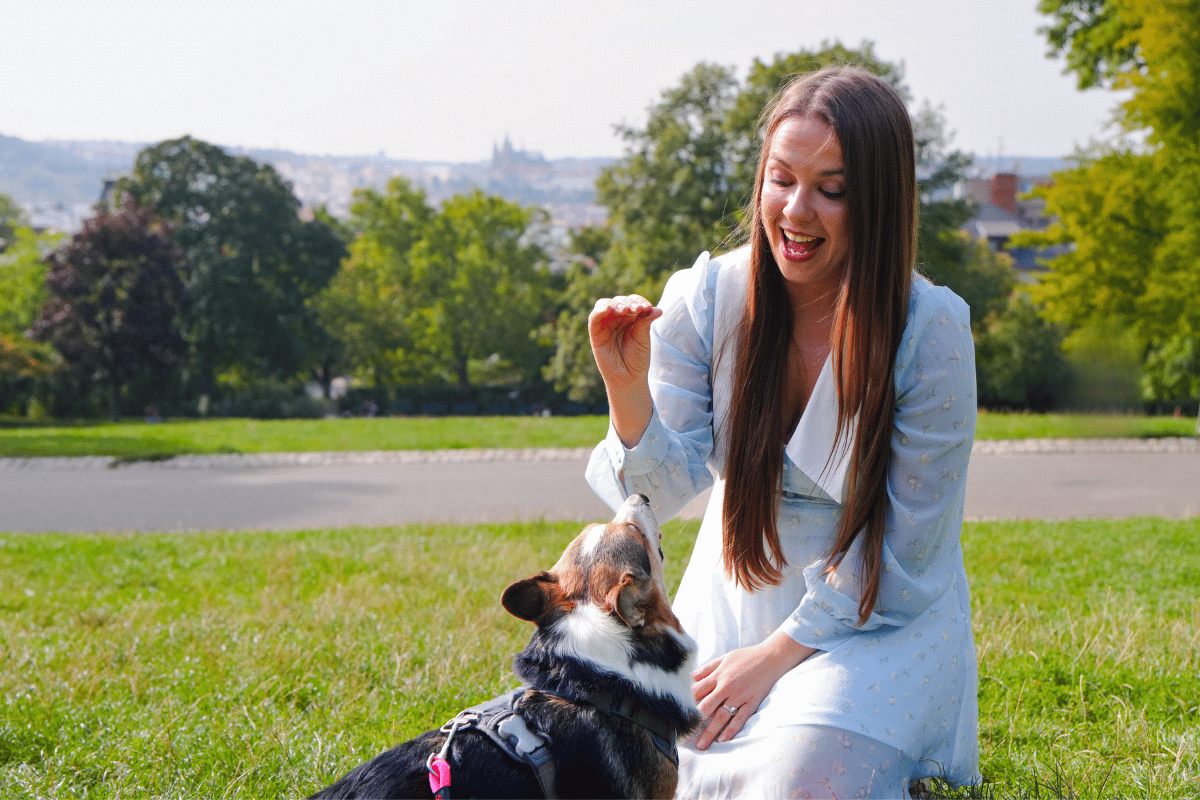
Is Prague Dog‑Friendly?
Prague is one of Europe’s most dog‑friendly capitals. Dogs are welcome in most restaurants, many cafés, large parts of the castle grounds, and on trams, buses and the metro — as long as you follow a few simple rules.
This guide covers everything you need to know before traveling to Prague with your dog: entry requirements, public transport rules, where to walk, where to eat, and the practical details that make a trip smooth for both of you.
Before You Arrive: Documents and Essentials
Microchip, Vaccines and Pet Passport
Your dog must be microchipped and have a valid rabies vaccination.
For EU travel, the rabies shot must be at least 21 days old and not expired when you enter.
Bring your dog’s EU pet passport or an official veterinary certificate showing microchip and vaccination details.
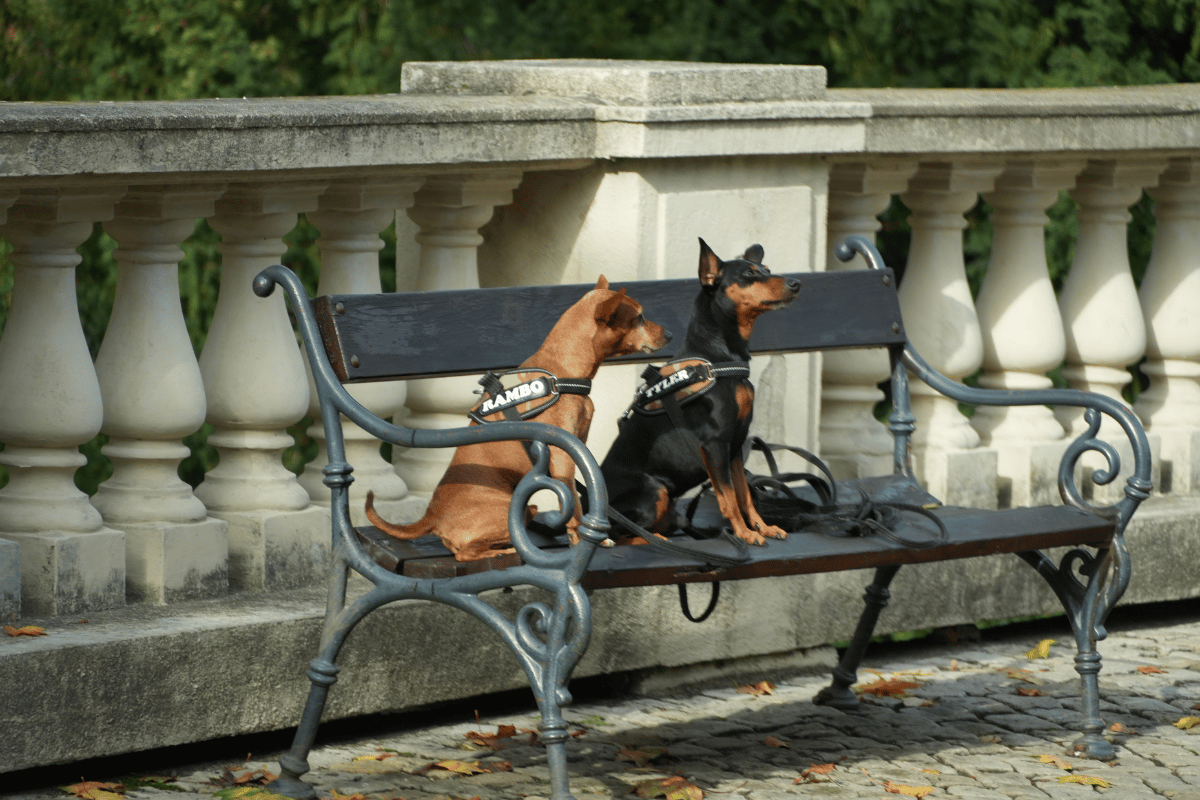
What to Pack for Prague
Travel muzzle and sturdy leash – required on public transport and useful in crowded areas.
Poop bags – owners are expected to clean up after their dogs; fines can be high.
Collapsible water bowl – especially important in summer when temperatures rise.
Copies of documents – keep digital and paper copies of your dog’s passport and vaccination records.
Getting Around Prague With Your Dog
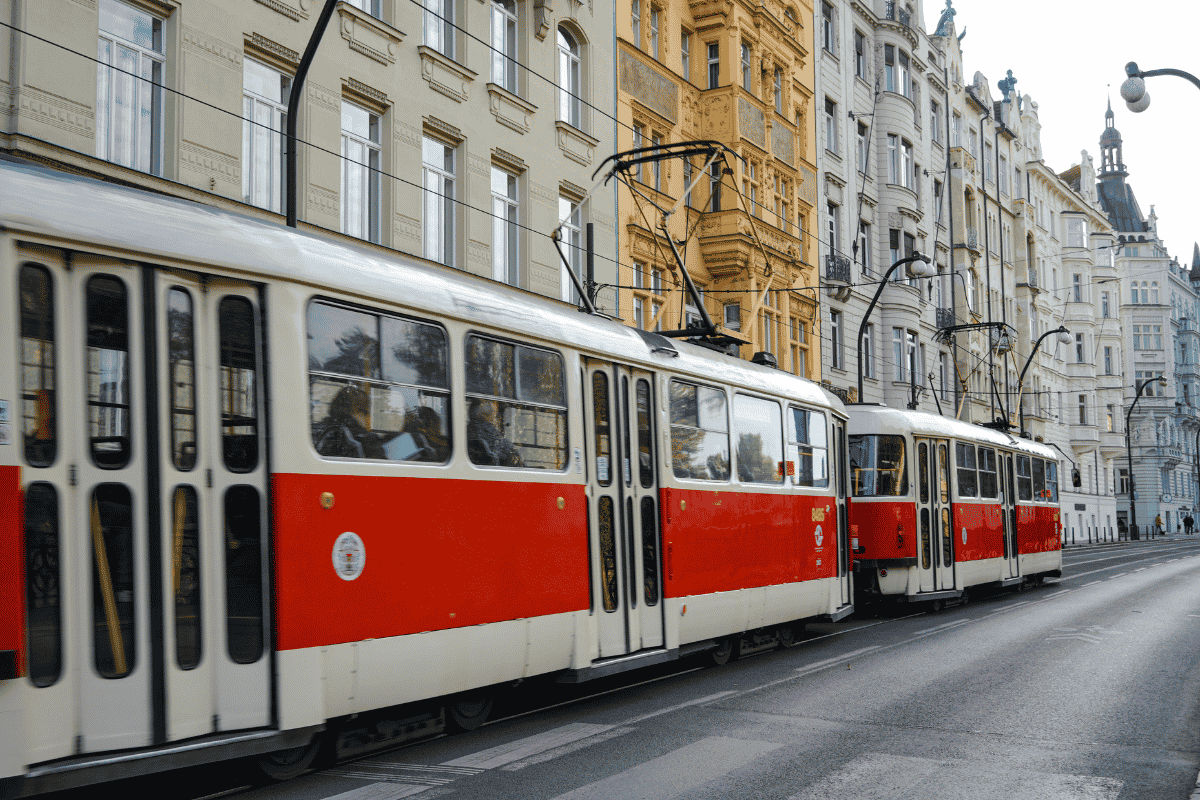
Metro, Trams and Buses
Dogs are allowed on all Prague public transport, but the rules are specific and enforced.
Muzzle and leash: Dogs traveling outside a carrier must wear a muzzle and be on a short leash on metro, trams and buses.theexpatcity+1
Tickets:
Small dogs in a closed carrier (up to about 70 × 45 × 25 cm) travel free as hand luggage.
Larger dogs normally need a reduced‑fare ticket (around 20–25 CZK per ride), or they travel free if you already have a 24‑hour or longer pass that includes luggage.
Where to stand: Keep your dog between your legs or on the floor, not on seats. On trams and buses, avoid areas reserved for strollers and infants.expats
Funicular to Petřín: Dogs on leash are allowed; standard ticket rules apply.
If you’re unsure, just buy the cheap reduced ticket for your dog — it’s inexpensive and avoids any awkward conversations with inspectors.
Trains Within the Czech Republic
Dogs are allowed on 2nd class trains.
Larger dogs not in a carrier must be leashed and muzzled.
A small fee (around 50 CZK) applies on many regional trains.
Walking in Prague: Parks, Streets and Off‑Leash Zones
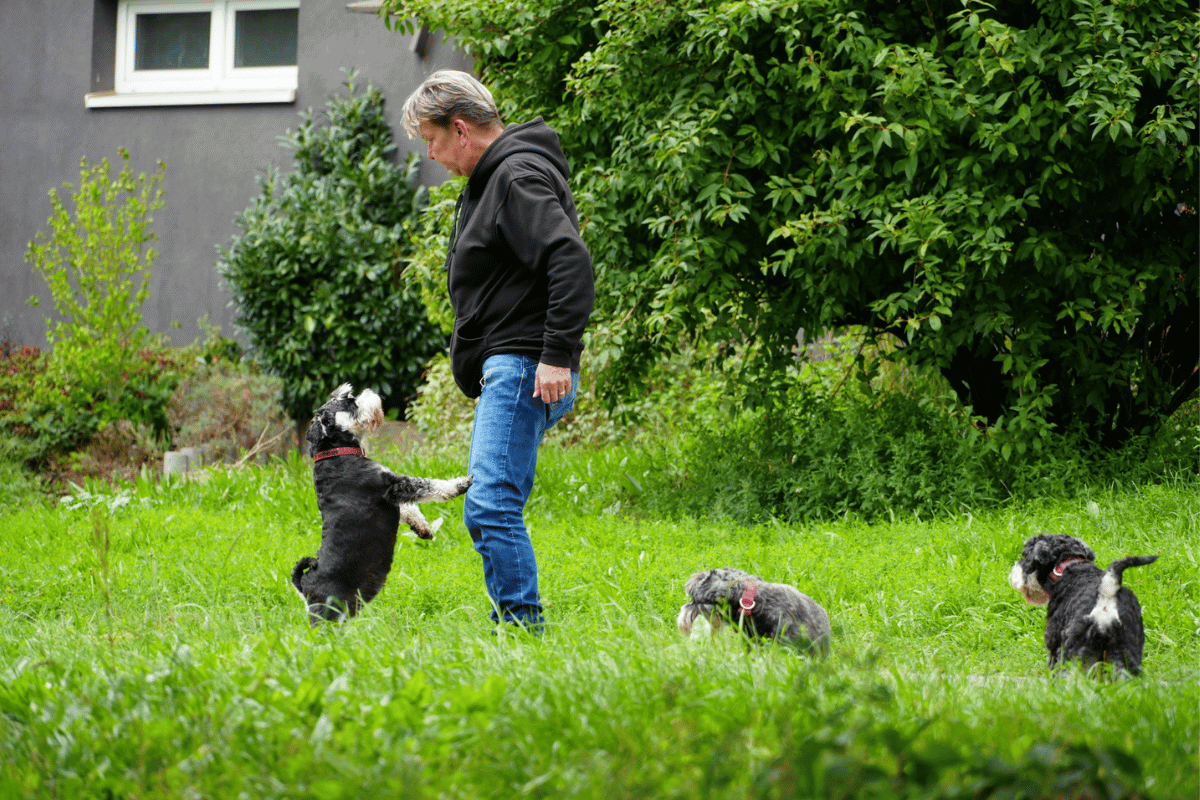
Leash Rules in Public
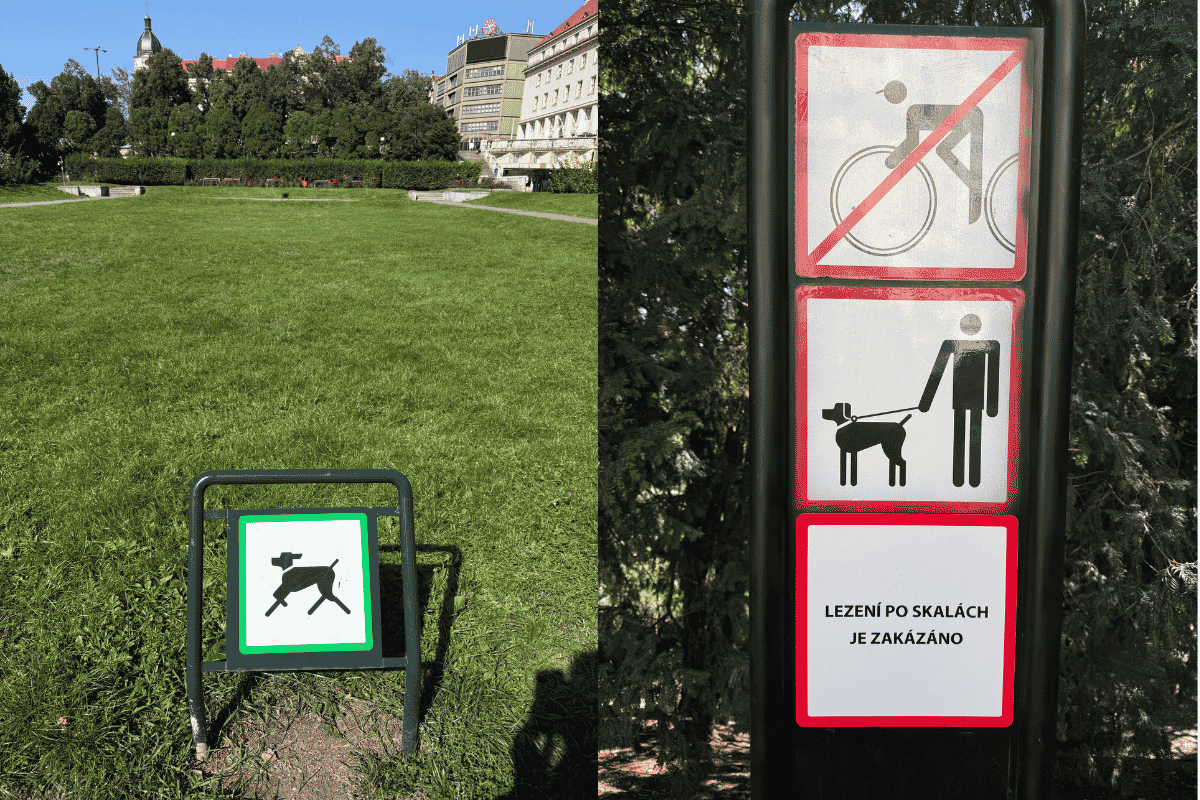
In most public spaces, dogs must be on a leash unless you’re in a designated off‑leash area.
Look for signs with a running dog symbol or text like “volný pohyb psů povolen” (free movement of dogs allowed).
Best Parks and Dog‑Friendly Areas
Prague has many large green spaces where dogs can stretch their legs:
Stromovka (Prague 7): Huge park with wide paths, shaded areas and official off‑leash zones.
Letná Park (Prague 1/7): Great views over the river, popular with locals and their dogs.
Riegrovy sady (Prague 2): Beer garden plus grassy areas; very dog‑friendly in summer.
Divoká Šárka (Prague 6): More natural, valley‑like area with trails; good for longer walks.
Kunratický les, Prokopské údolí, Čimický háj: Forested areas on the edges of the city, excellent for energetic dogs.
Prague has over 50 designated dog runs (fenced or marked areas), especially in neighborhoods like Vinohrady, Žižkov, Holešovice and Smíchov.
Cobblestones and Summer Heat
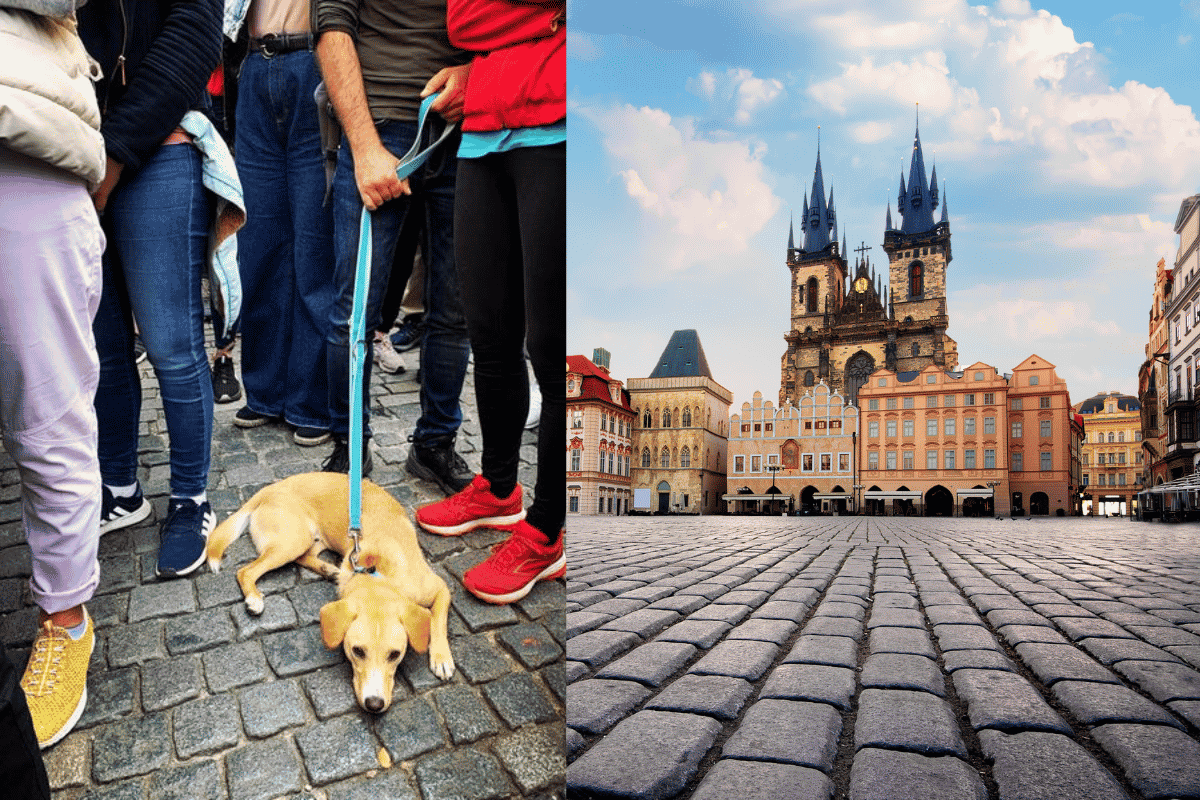
The historic center is full of cobblestones, which can get very hot in summer.
In July and August, temperatures can reach 30°C+, and stone surfaces heat up quickly.
Tips:
Walk early in the morning or later in the evening.
Carry water and a collapsible bowl.
Consider paw protection or booties if your dog is sensitive.
Eating and Drinking With Your Dog
Cafés, Restaurants and Beer Gardens
Prague is unusually welcoming when it comes to dogs in hospitality venues.
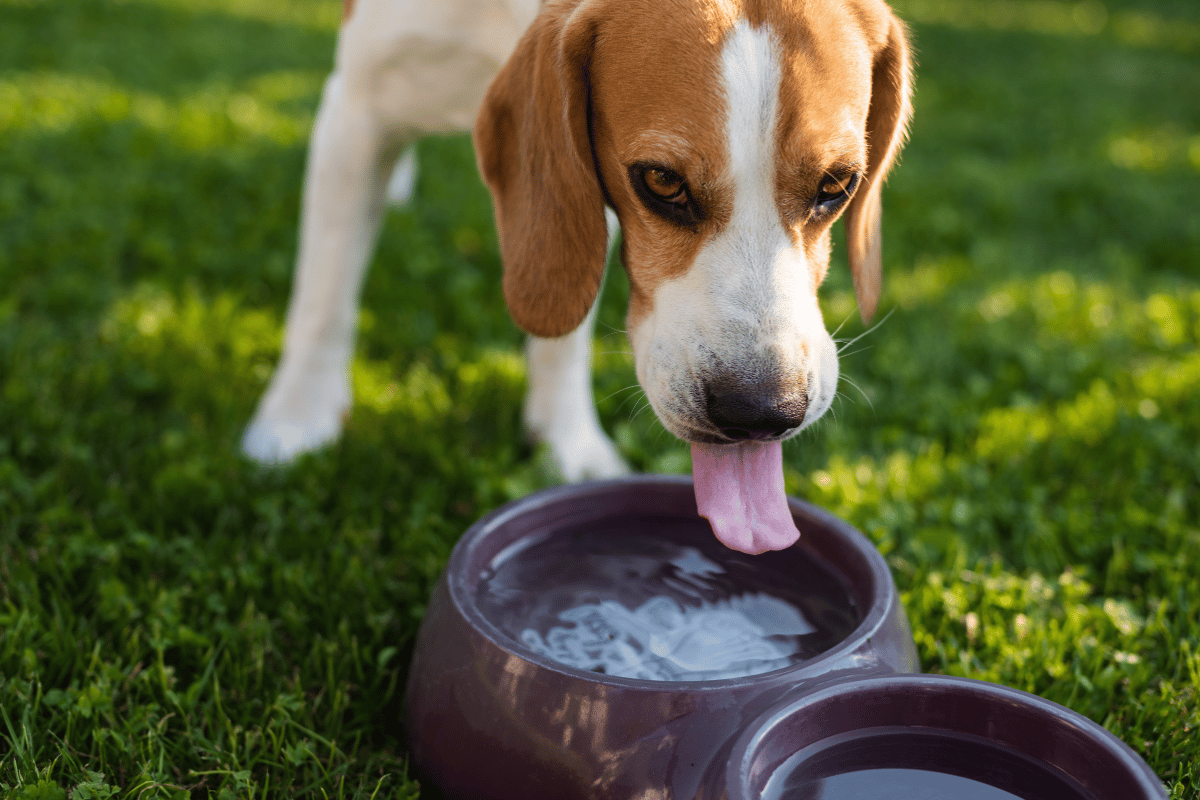
Most restaurants and cafés with outdoor terraces allow dogs; many also allow them inside, especially in non‑touristy neighborhoods.
It’s common to see water bowls at the entrance or next to tables.
Dogs are expected to stay calm under the table and not wander between guests.
Some consistently dog‑friendly spots include:
Café Savoy (Malá Strana): Elegant café that welcomes dogs in the main hall.bestpragueguide
Lokál Dlouhááá (Old Town): Traditional Czech pub with a relaxed attitude toward dogs.
Letná Beer Garden: Large outdoor space with plenty of room for dogs.
Many cafés around náměstí Míru, Mánesova, Blanická (Vinohrady) and on Seifertova, Korunní (Žižkov) are known to be very dog‑friendly.
Shops and Malls
Rules vary by store. Small dogs in carriers are often allowed inside.
Larger dogs may be restricted to entrance areas or not allowed at all, especially in supermarkets and some malls.
Sightseeing With a Dog
Old Town, Charles Bridge and Prague Castle
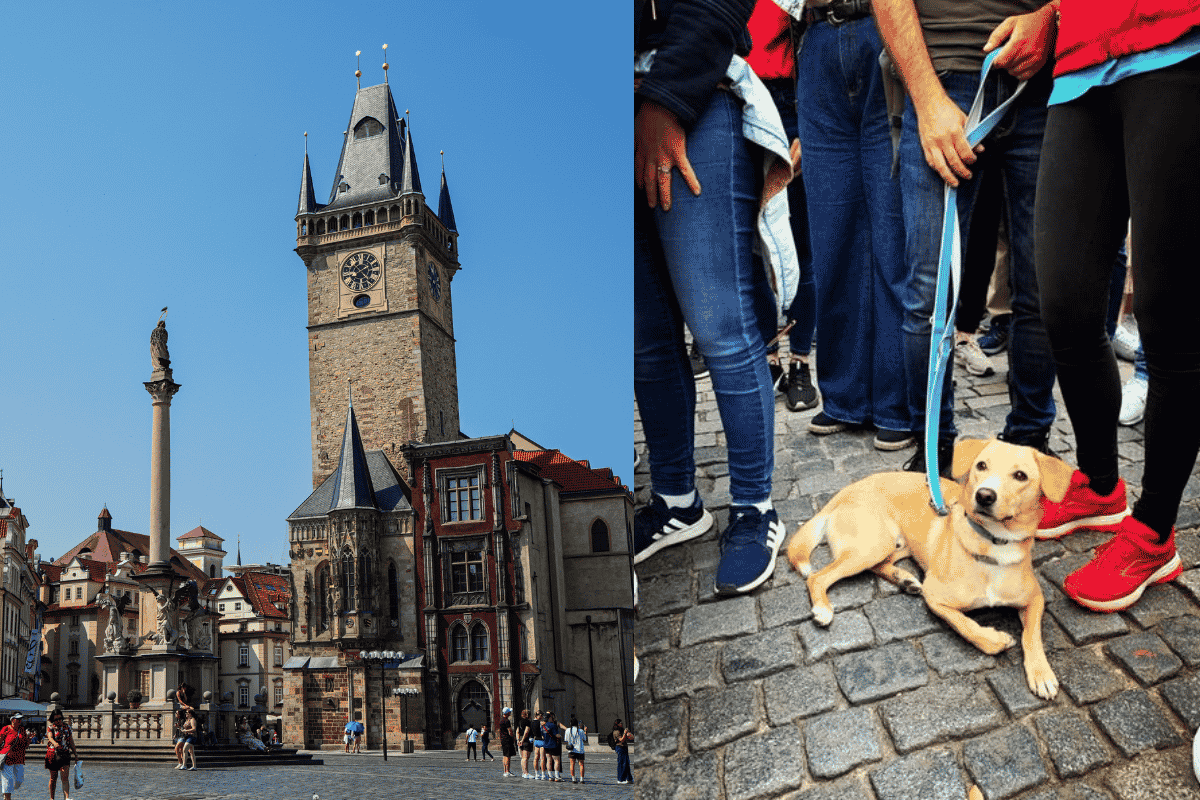
Old Town Square and surrounding streets: Fully accessible with a dog on leash. Best visited early to avoid crowds and heat.
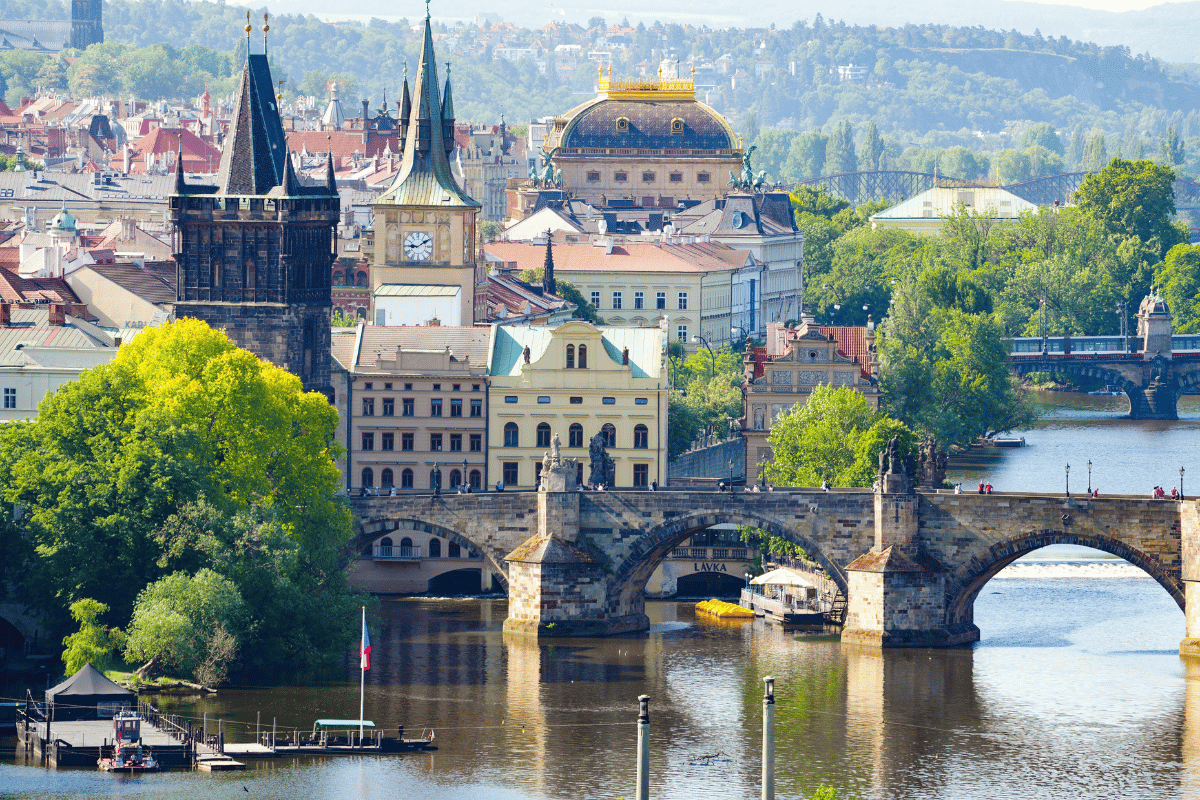
Charles Bridge: Dogs are allowed, but it gets extremely crowded. Early morning or late evening walks are much more comfortable.
Prague Castle grounds:
Dogs are welcome in the outer courtyards and grounds on leash (and usually with a muzzle).
Dogs are not allowed inside the castle buildings, interiors or formal gardens.
Museums, Churches and Interiors
Most museums, exhibitions, churches and historical interiors do not allow dogs.
Plan your day so one person can wait outside with the dog, or choose dog‑friendly activities (parks, river walks, castle grounds) for those parts of the day.
Accommodation: Hotels and Apartments
Many hotels and short‑term rentals in Prague accept dogs, often with a small cleaning fee.
Always confirm in advance that dogs are allowed and ask about:
Size or breed restrictions
Extra fees
Nearby walking areas
Neighborhoods like Vinohrady, Žižkov, Holešovice and Smíchov are especially convenient for dog owners, with lots of parks, cafés and wide sidewalks.
Vets and Emergencies
Prague has several 24‑hour veterinary clinics and many regular practices across the city.
Before you travel:
Save the addresses and phone numbers of at least one or two 24/7 vet clinics in your phone.
Keep your dog’s pet passport and vaccination records with you, not just in your luggage.
If your dog becomes ill or injured, search for “veterinární pohotovost Praha” (veterinary emergency Prague) or ask your accommodation for the nearest clinic.
Practical Checklist: Traveling to Prague With a Dog
Before You Go
Microchip and valid rabies vaccination (at least 21 days before travel).
EU pet passport or official veterinary certificate.
Travel muzzle and sturdy leash.
Collapsible water bowl and poop bags.
List of 24/7 vets in Prague.
In Prague
Use muzzle + leash on metro, trams and buses; buy a reduced ticket for larger dogs if needed.
Stick to designated off‑leash areas in parks; otherwise keep your dog on a leash.
Clean up after your dog everywhere.
Avoid long midday walks in summer; use parks and shaded routes.
Choose dog‑friendly cafés, restaurants and accommodations; expect water bowls and relaxed attitudes.
WRITTEN BY VALERY
Licensed Prague guide and co-creator of Real Prague Guides (50K+ YouTube subscribers). My company, 100 Spires City Tours, leads some of the highest-rated tours in Prague.
📷 Instagram: @realpragueguides
📺 YouTube: Real Prague Guides
🎫 Book a tour: tours-prague.eu
Disclaimer: This article reflects the personal opinions of the author and is not intended to discourage visitors to Prague from businesses mentioned above.