

How Prague Was Built: A Complete History of the Czech Capital From Origins to Today
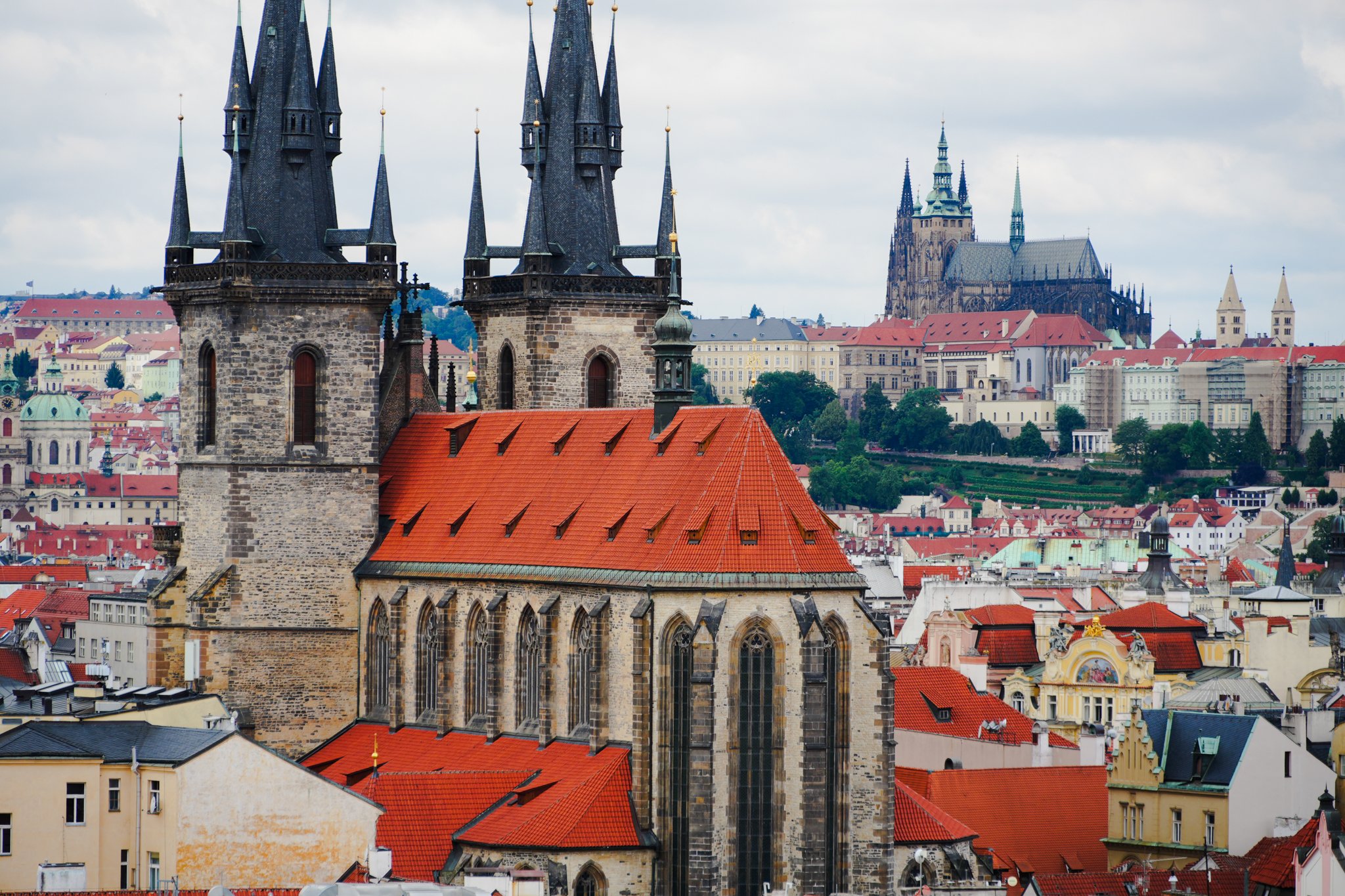
How was Prague built, and how did it become one of Europe’s most beautiful capitals?
Prague’s story spans over 1,000 years—from Celtic tribes and medieval kings to Habsburg rule, Art Nouveau boulevards, communism, and modern expansion. This SEO-optimized guide explains exactly how Prague developed from a small settlement on the Vltava River into the legendary “City of a Hundred Spires.”
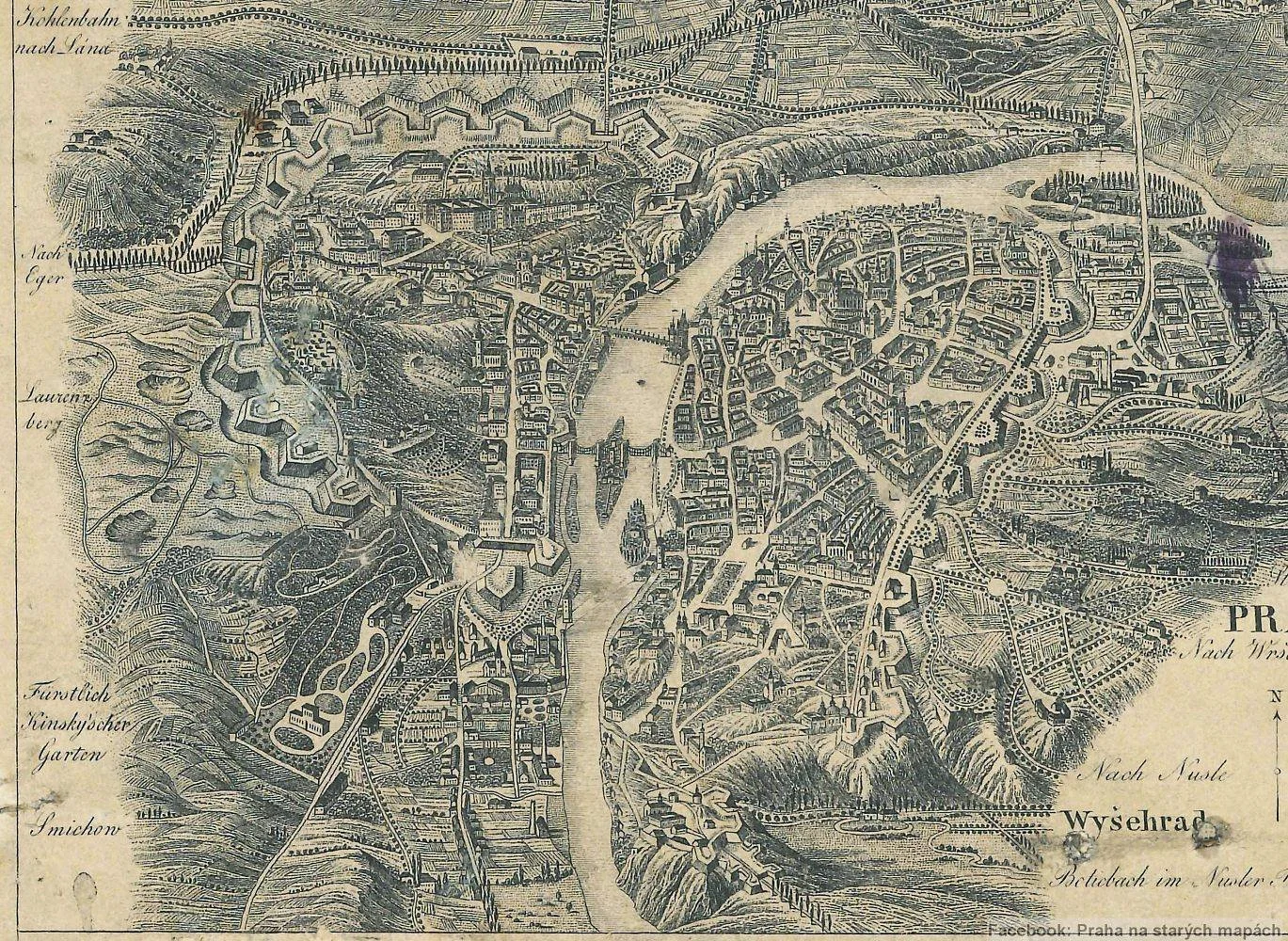
Prague Before Prague: Celts, the Vltava River, and Early Settlements
Was Prague inhabited in ancient times?
There is no evidence of a large ancient settlement in the Vltava valley, but archaeological finds show the Celtic Boii tribe lived in the region. Their name survives in the word Bohemia. The river name Vltava comes from a Germanic term meaning “wild water.” These early influences shaped the land, but the true history of Prague begins with the Slavs.
Founding Prague: The Přemyslid Dynasty and the First Castle
When was Prague founded?
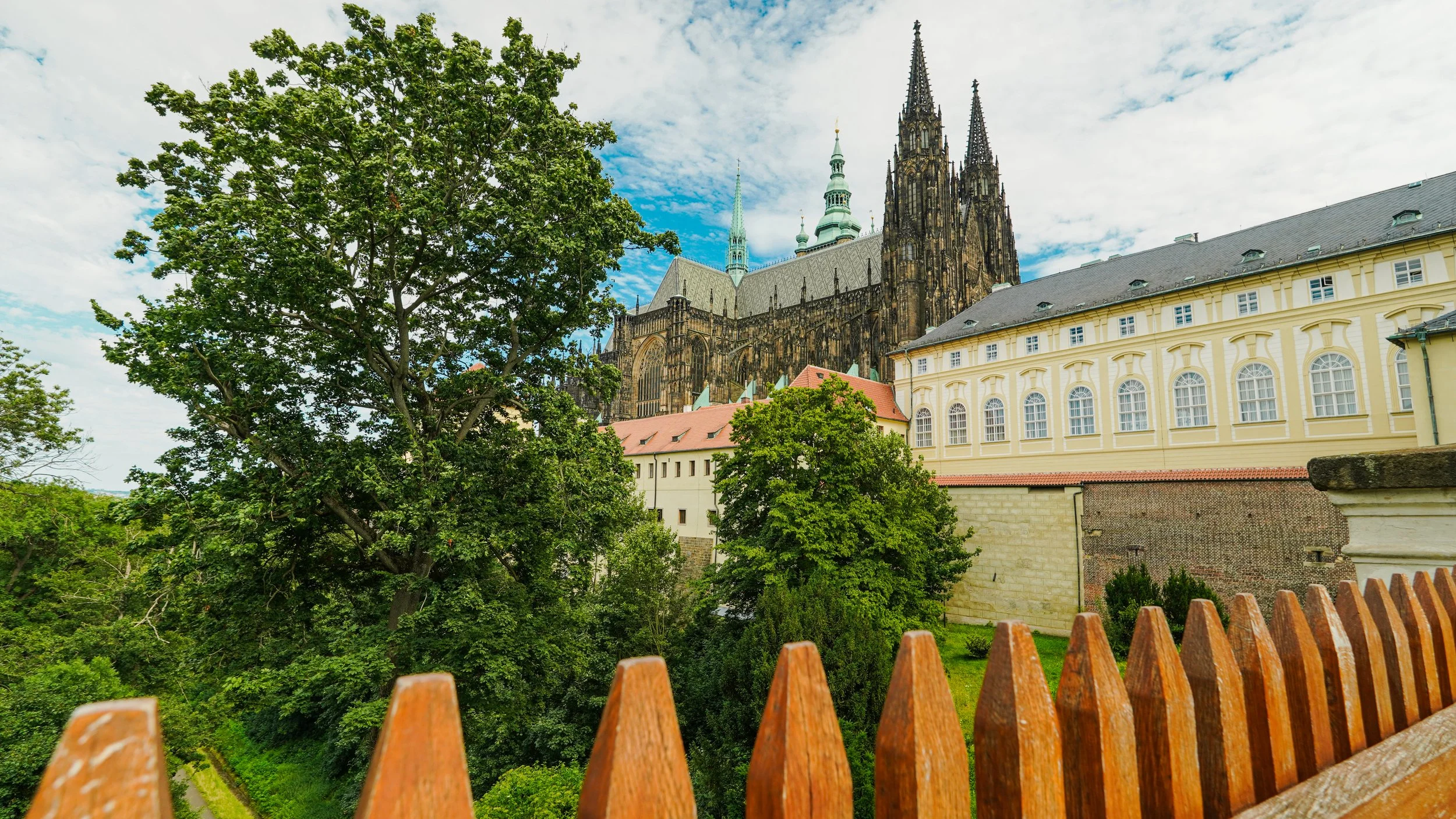
The origins of Prague date to the late 9th century, when the Přemyslid rulers Bořivoj and Ludmila moved their seat to Prague Castle Hill and built the first stone church—the Church of the Virgin Mary.
The location offered:
Natural fortifications (including today’s Deer Moat)
Access to fresh water
Abundant building stone
Over time, the castle grew to include St. George’s Basilica and the early Royal Palace, forming the nucleus of what would become Prague.
The First Written Mention of Prague (10th Century)
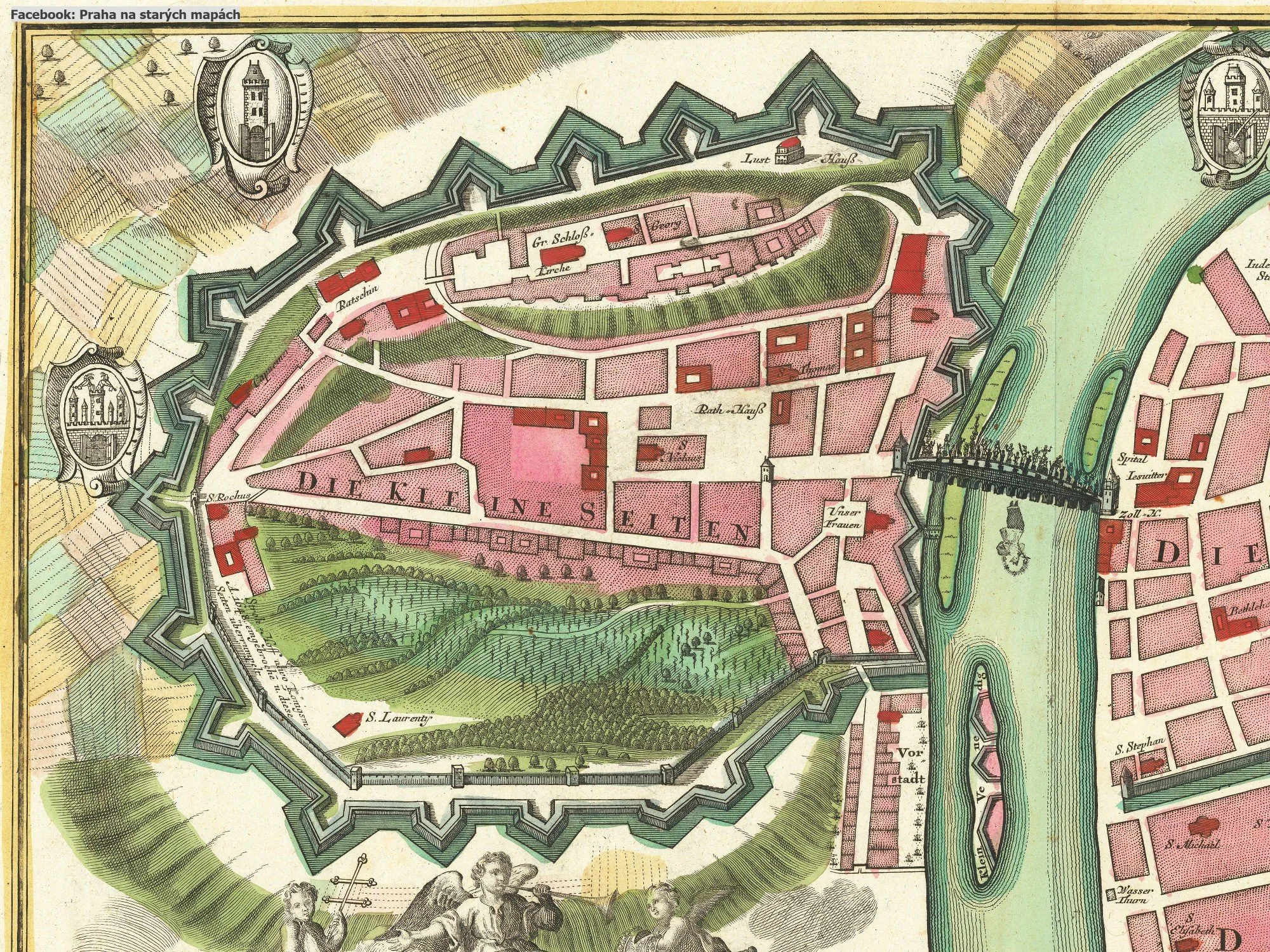
The earliest known description of Prague comes from Ibrahim ibn Yaqub, a Jewish–Arab merchant who visited around 965–966 CE. He described Prague as a “city of stone” with a castle and a busy marketplace—most likely today’s Lesser Town Square.
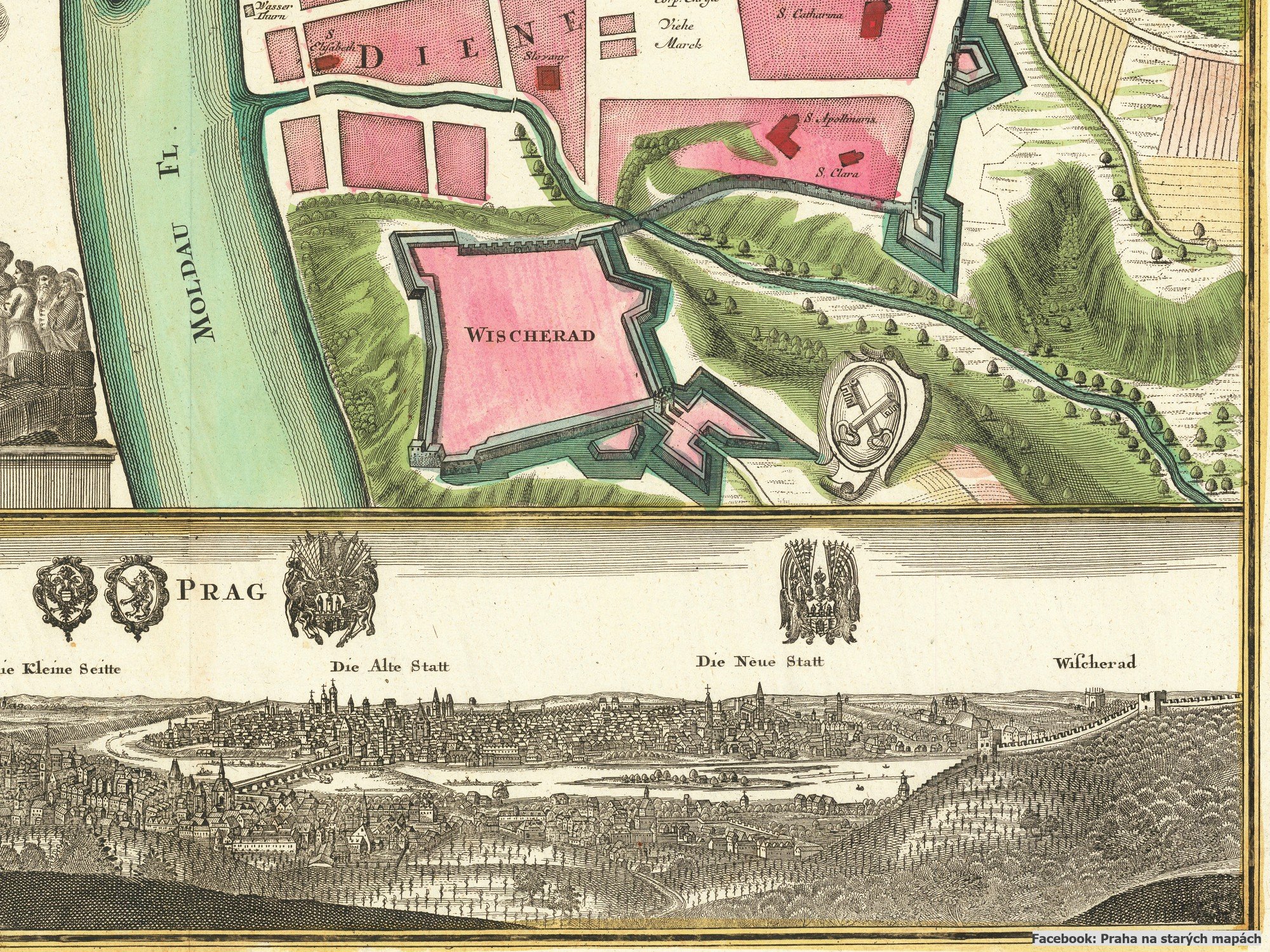
Vyšehrad: Legends vs. History
According to Czech legends, the oldest settlement is Vyšehrad, the mythical cradle of the Czech nation. Historically, however, Vyšehrad dates from around 950 CE, making it important but not prehistoric.
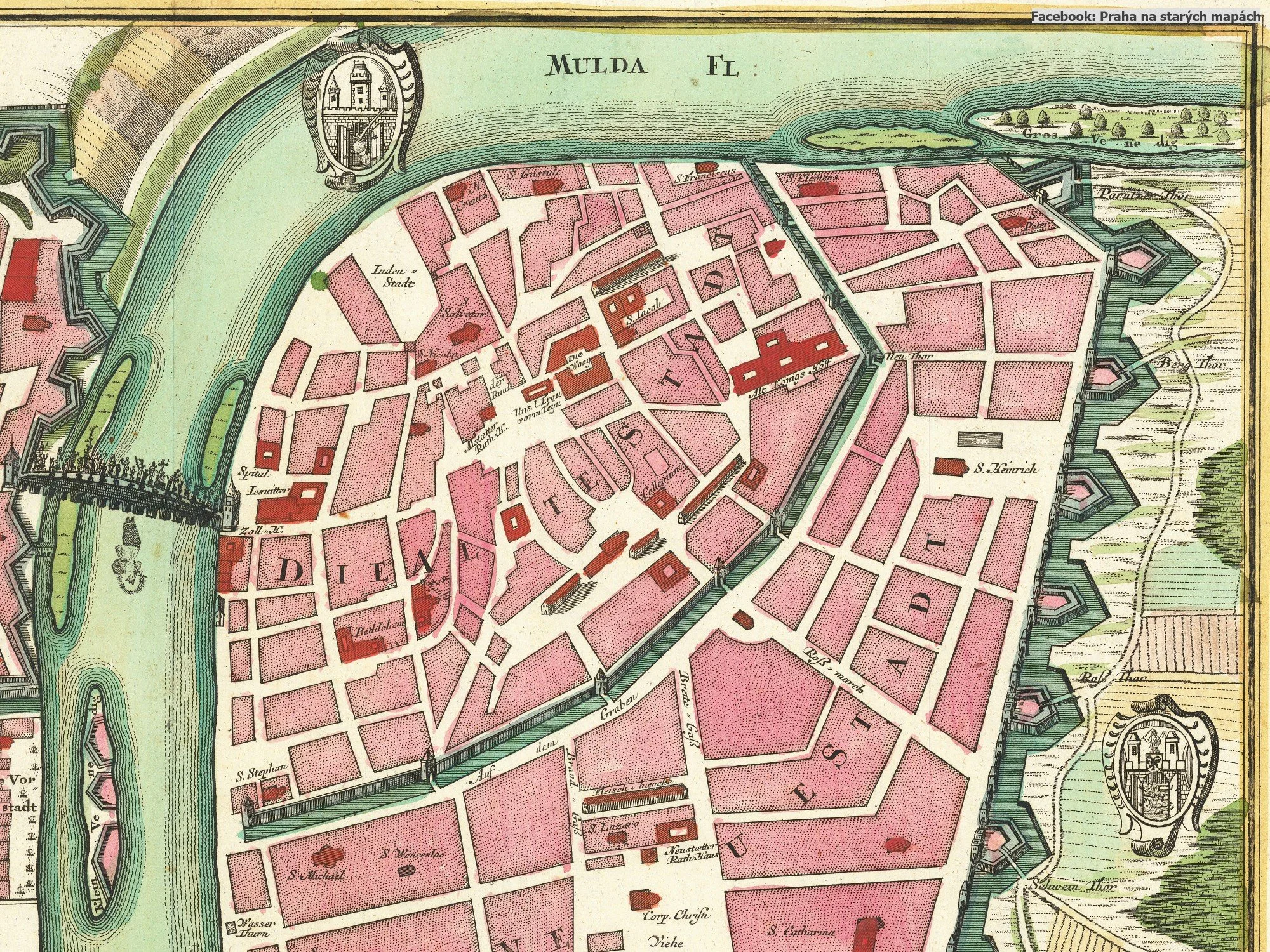
The Growth of Old Town: Markets, Trade Routes, and Ungelt
Despite the name, Old Town (Staré Město) is not the oldest part of Prague. It developed between the 11th and early 12th centuries, and by 1108 the area already had a thriving market—today’s Old Town Square.
To profit from the booming trade, the king created Ungelt, a fortified customs yard where foreign merchants had to weigh and tax their goods. Ungelt was effectively a medieval “business district,” and it remains an architectural highlight today.
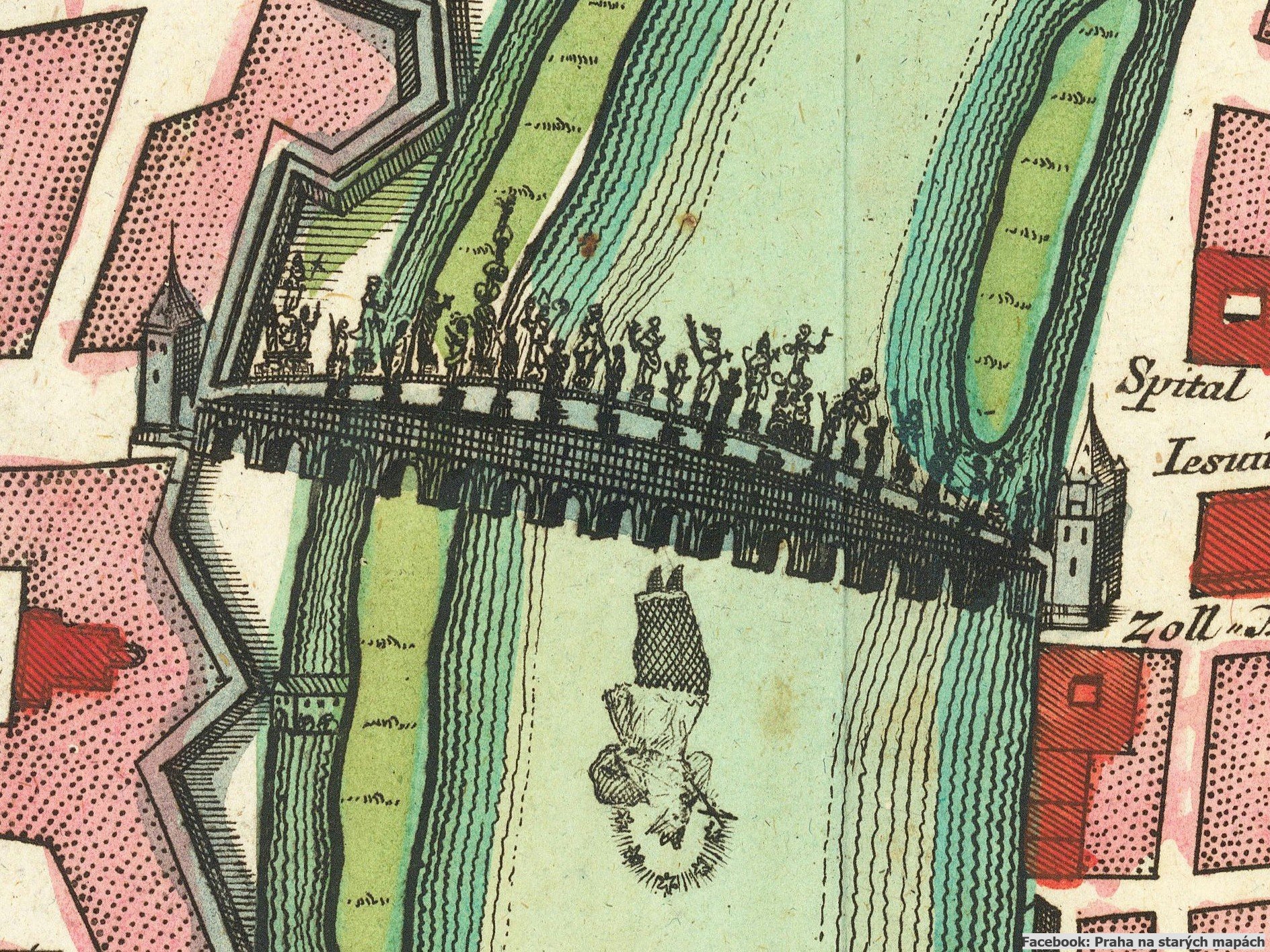
Crossing the Vltava: The First Prague Bridges
Early travelers crossed the Vltava at a shallow ford near today’s Mánes Bridge. This was eventually replaced by Prague’s first major stone bridge:
Judith Bridge (12th century)
Named after Queen Judith, the bridge was a monumental achievement until floods damaged it. Its successor, Charles Bridge, became one of Europe’s most iconic crossings.
Flooding and raised streets
Frequent Vltava floods forced medieval Prague to raise the ground level in many areas by 3–5 meters, burying older streets beneath today’s city.
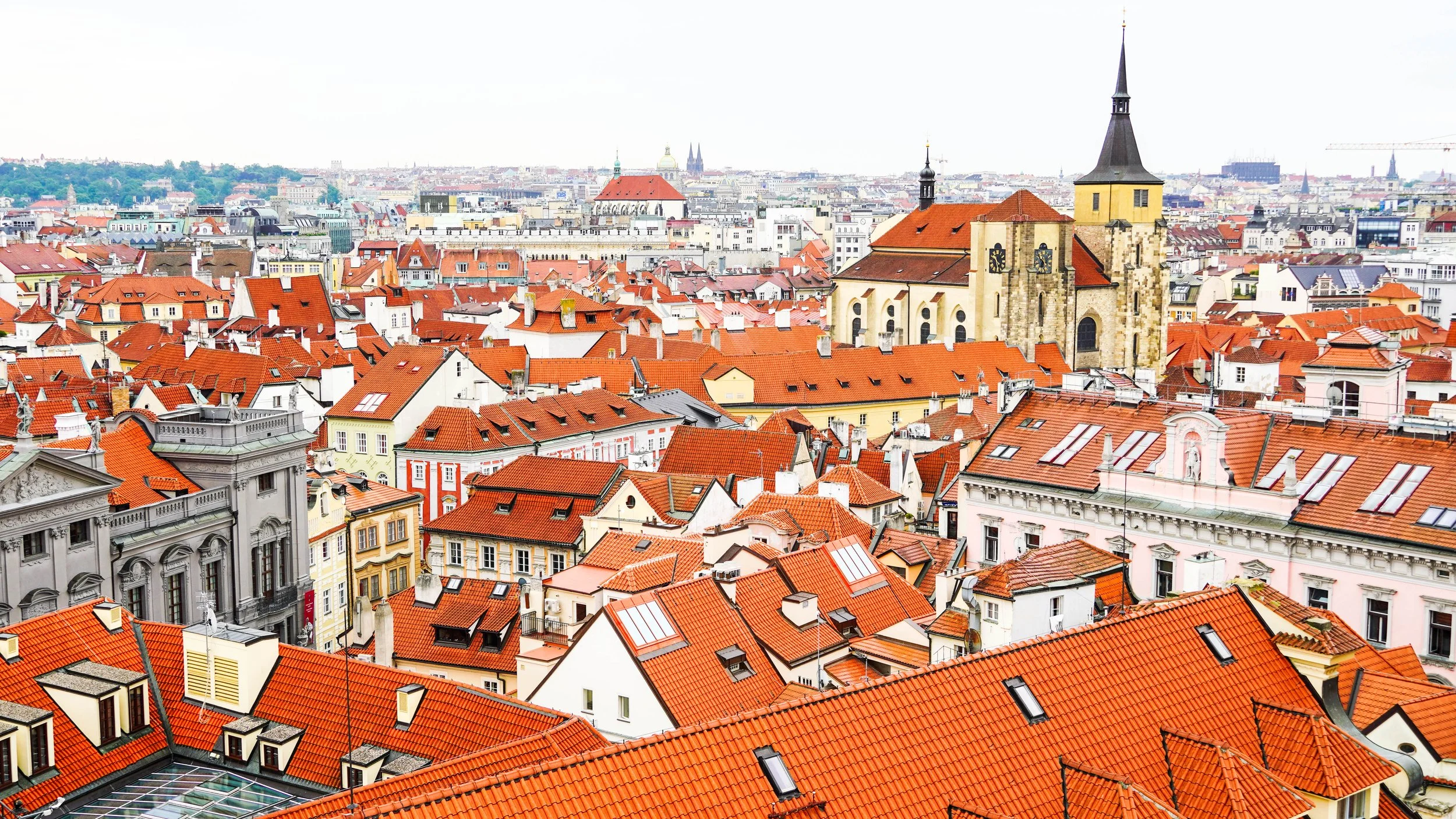
Medieval Urban Planning: How Prague Became a Maze
Prague’s Old Town grew organically, not according to any grid or plan. Its maze-like layout reflects this centuries-long, unplanned development.
In 1235, King Wenceslas I unified local settlements and built:
A defensive wall
A moat
Gates and fortifications
The moat’s memory survives in today’s street Na Příkopě.
The Jewish Quarter (Josefov): Separation and Survival
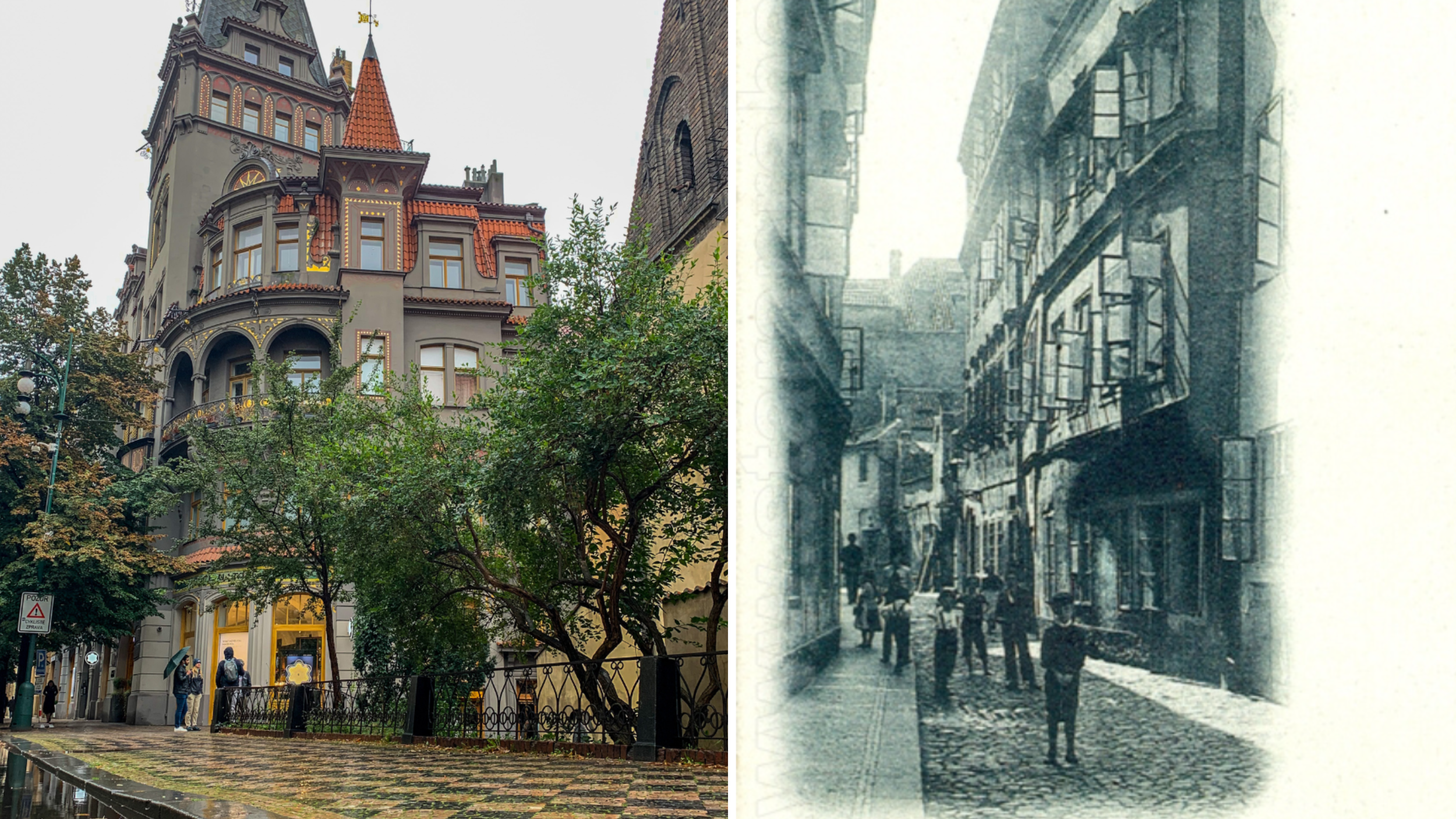
After the Fourth Lateran Council (1215), Prague’s Jewish residents were forced into a separate walled district. They could leave only with special permission and had to wear identifying symbols.
This walled quarter—later known as Josefov, after Emperor Joseph II—became one of the most culturally significant Jewish communities in Europe.
Charles IV and the Golden Age of Prague
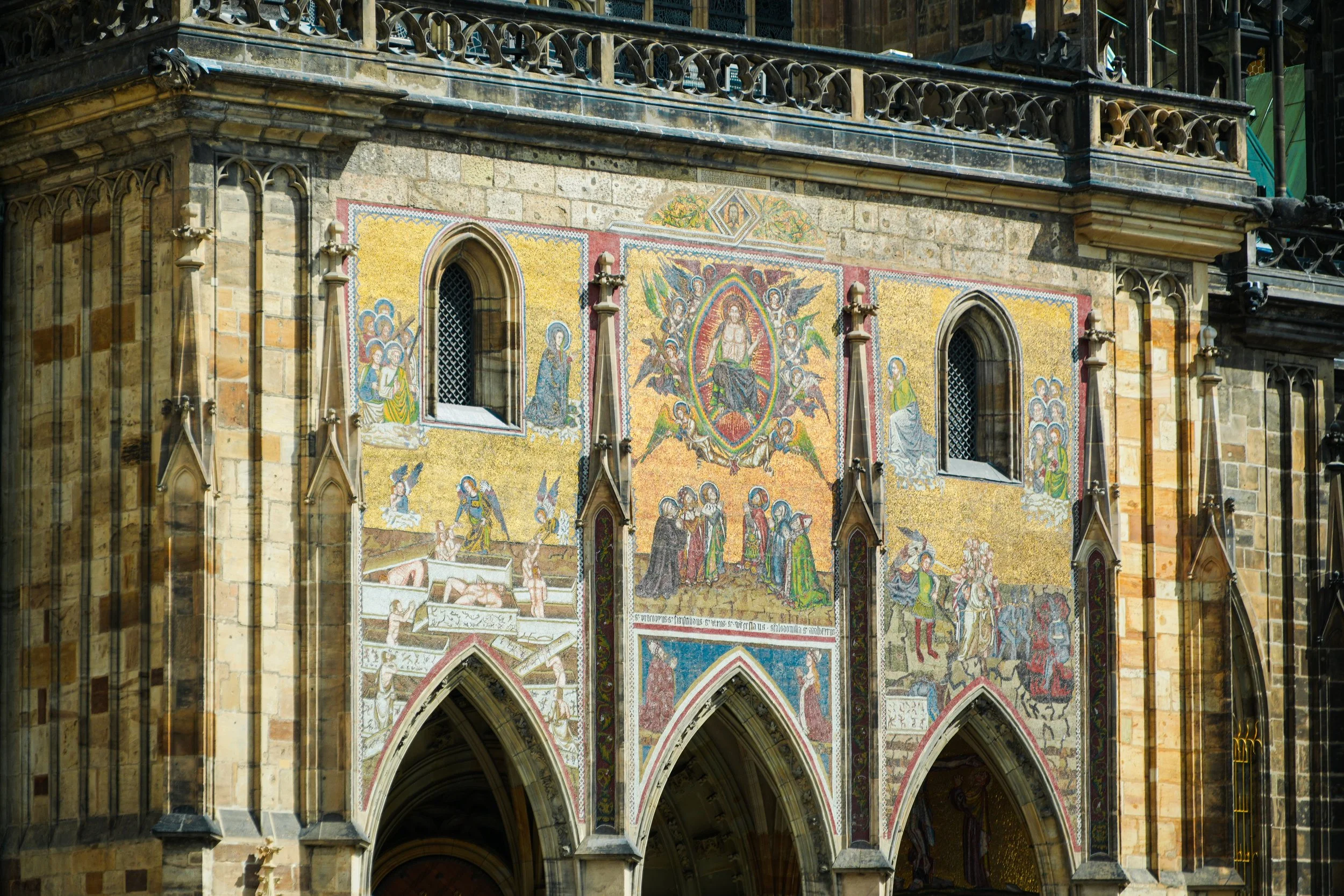
The 14th century marked Prague’s greatest medieval flourishing. Under Charles IV, King of Bohemia and Holy Roman Emperor, the city became a European powerhouse.
Major achievements under Charles IV:
Reconstruction of Prague Castle
Beginning of St. Vitus Cathedral
Founding of Charles University (first in Central Europe)
Building of Charles Bridge
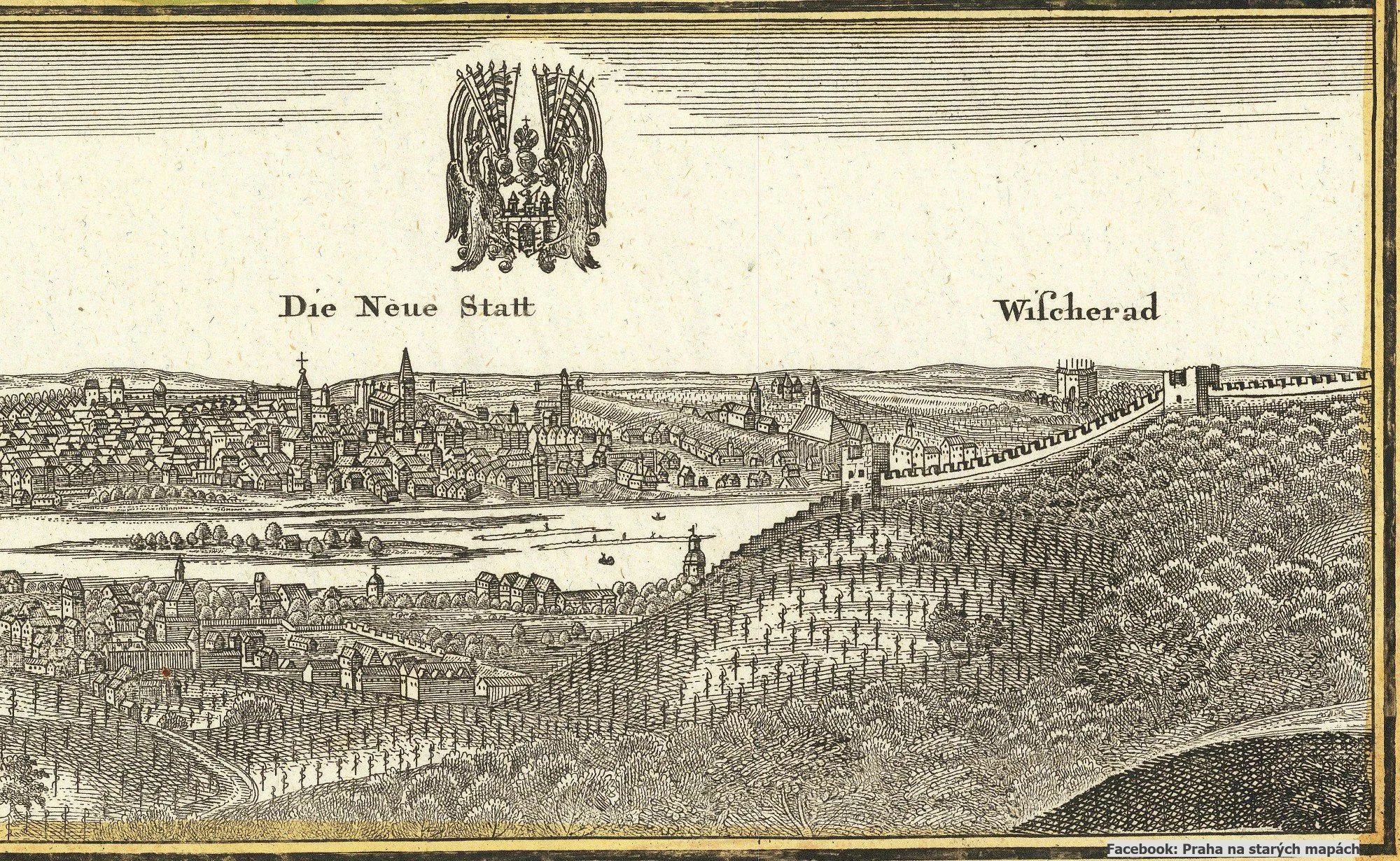
Massive urban expansion: New Town (Nové Město) in 1348
Charles IV’s New Town
He doubled Prague’s size and added major markets:
Charles Square (cattle)
Wenceslas Square (horse)
Hay Market (near today's main station)
Charles also believed Prague could become the site of the Second Coming of Christ, prompting him to build numerous churches and religious structures.
Prague became the third-largest city in medieval Europe.
Stagnation Under the Habsburgs (1526–1918)
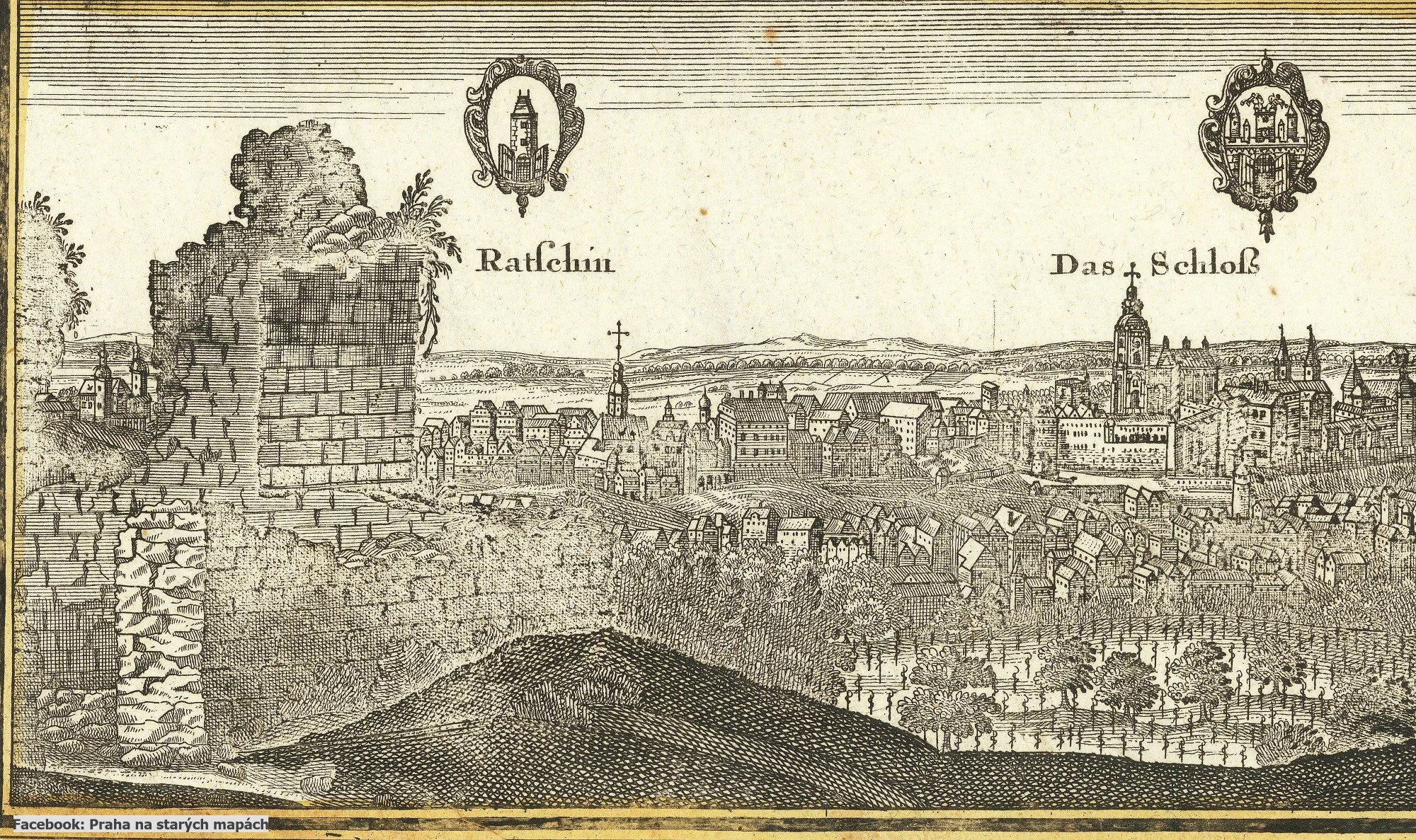
After the Přemyslid and Luxembourg dynasties, Prague fell under Habsburg control. Tensions were high: many residents resented the loss of autonomy.
Key events:
Defenestration of Prague (1618) → triggered the Thirty Years’ War
Execution or exile of Protestant nobles
Forced recatholicization
Prague deliberately kept smaller and less influential than Vienna
The city barely expanded for centuries. The second Vltava bridge wasn’t built until 1841, nearly 500 years after Charles Bridge.
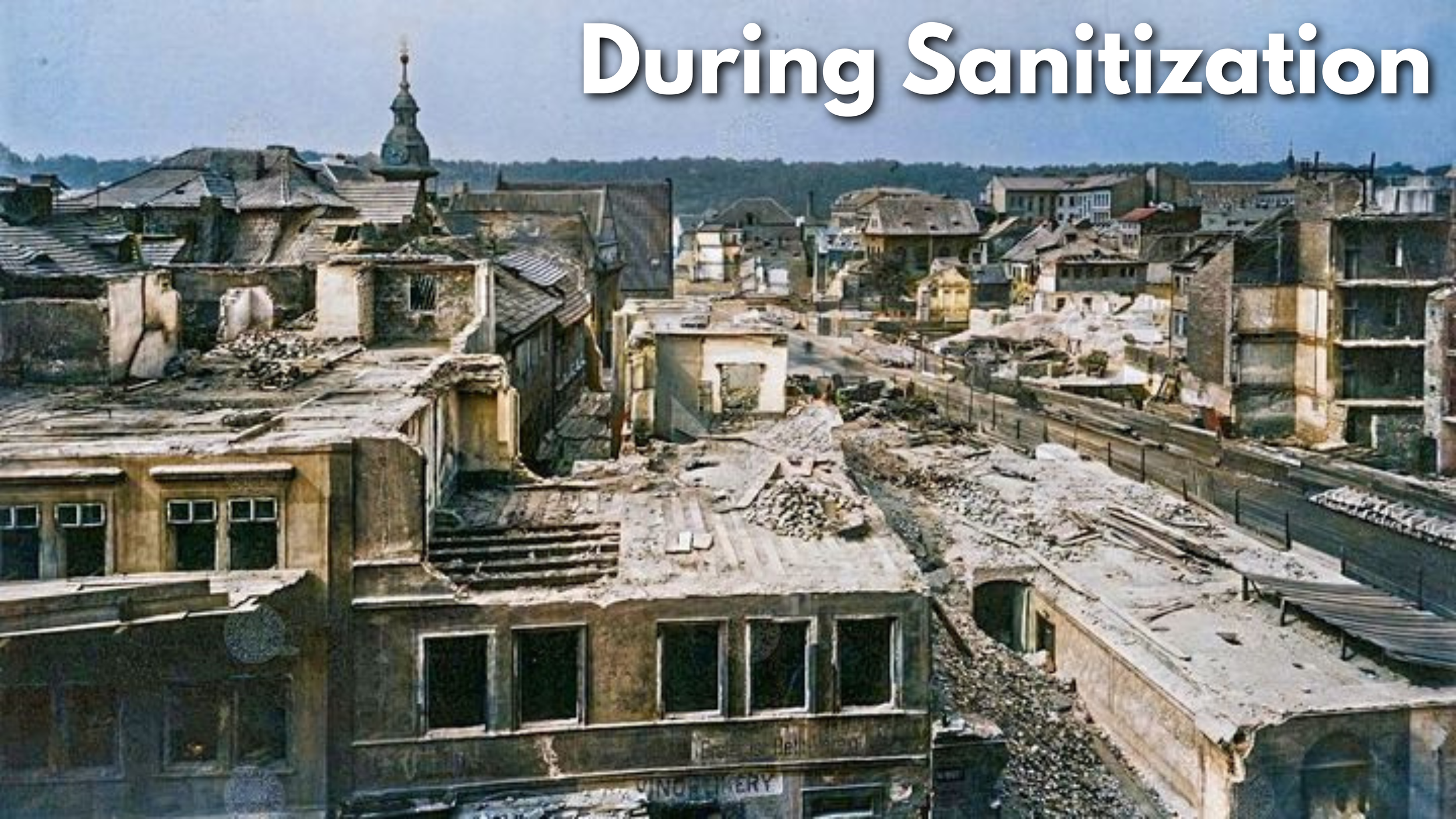
19th-Century Prague: Sanitization and Urban Renewal
As European cities modernized, Prague followed the trend of sanitization (asanace): demolishing old, “unhealthy” neighborhoods and replacing them with wide boulevards and elegant buildings.
The main target: the Jewish Quarter (Josefov)
After Jewish emancipation in 1782, many residents moved out, and the area declined into poverty and crime. Authorities decided to raze most of it.
They replaced its medieval houses with:
Art Nouveau apartment buildings
Wide avenues
A new upscale district near Old Town
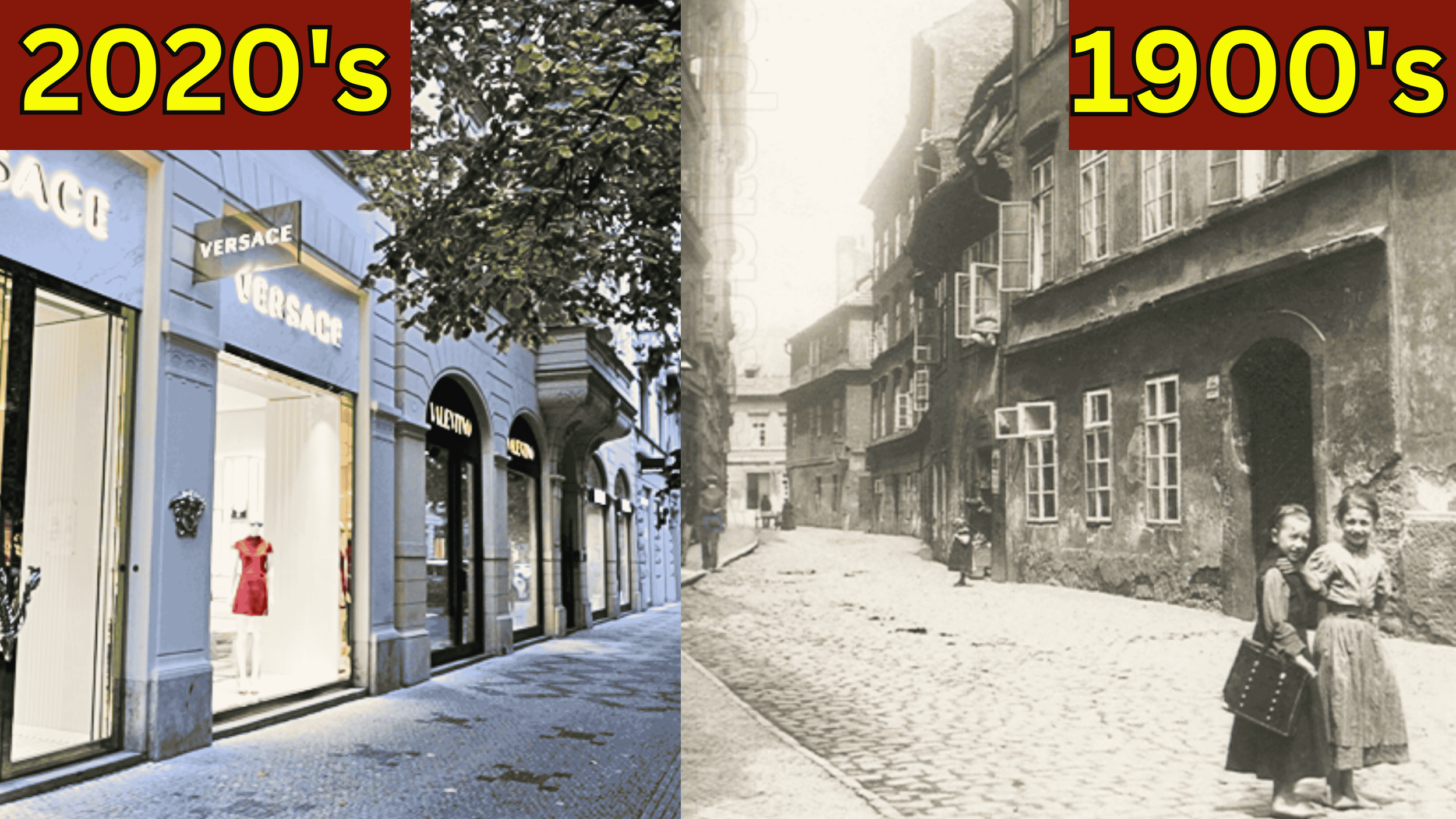
The most famous new boulevard is Pařížská Street, originally intended to cut all the way through Old Town Square. Thankfully, that plan was scaled back.
Sanitization remains controversial today due to the loss of priceless medieval architecture. Read more about sanitization and the Jewish Quarter here.
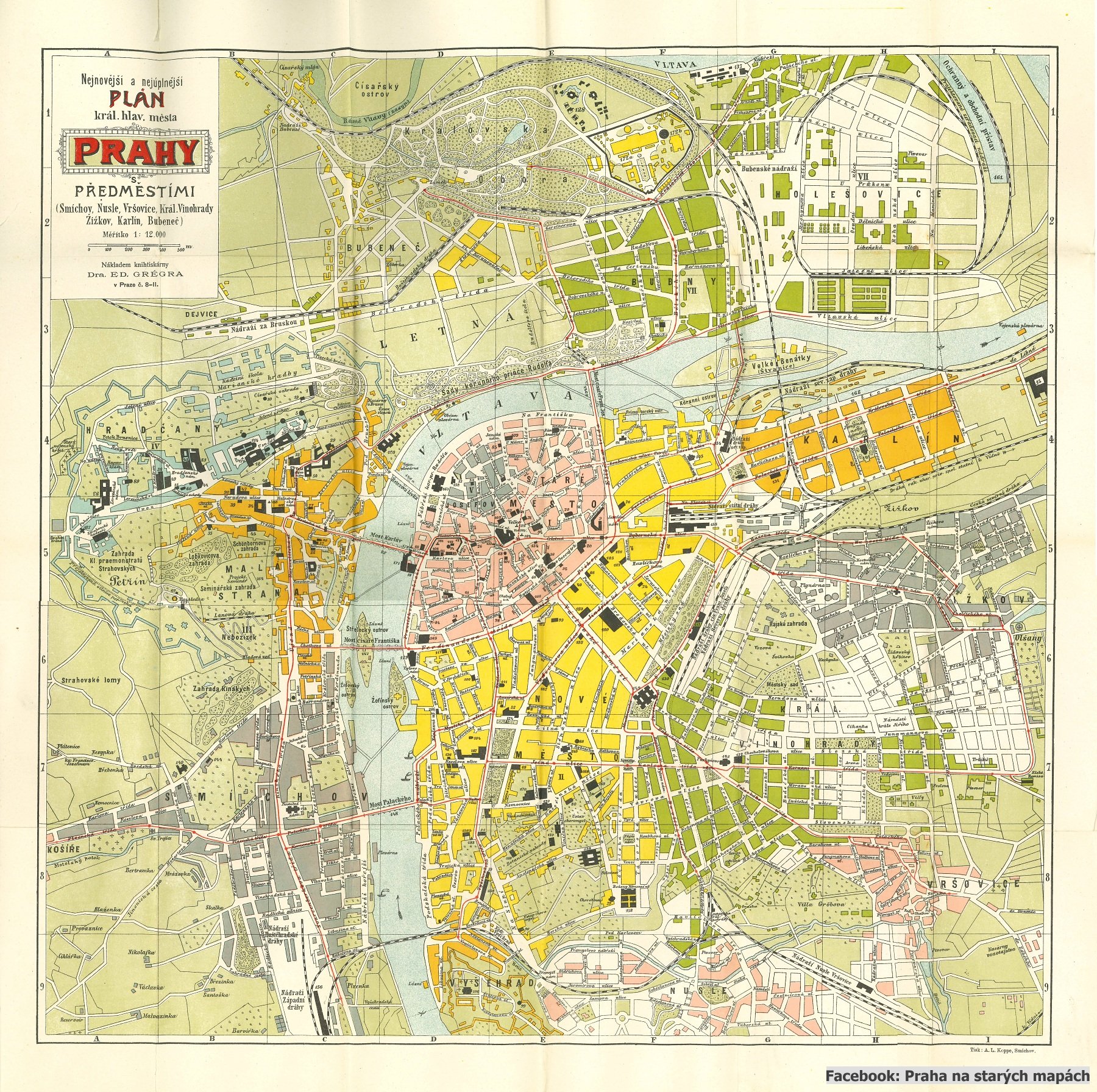
Prague After 1918: A New Capital and “Greater Prague”
With the end of World War I and the fall of the Austro-Hungarian Empire, Prague became the capital of the independent state of Czechoslovakia.
In 1922, the city expanded massively under the project Velká Praha (“Greater Prague”):
37 surrounding municipalities were added
The population grew to 776,000
The area grew to 171 km²
Neighborhoods such as Vinohrady, Karlín, Smíchov, Žižkov, and others officially became part of Prague.
World War II, Communism, and Modernization
Prague was relatively fortunate during WWII, suffering far less destruction than many European capitals. The largest bombing occurred on 14 February 1945, known as the Valentine’s Day Bombing, carried out by American forces.
During the communist period (1948–1989), Prague gained:
A highly efficient metro system
New major roads
Large panel-block housing estates (paneláky)
Communist planners aimed for a population of one million—a number Prague eventually surpassed.
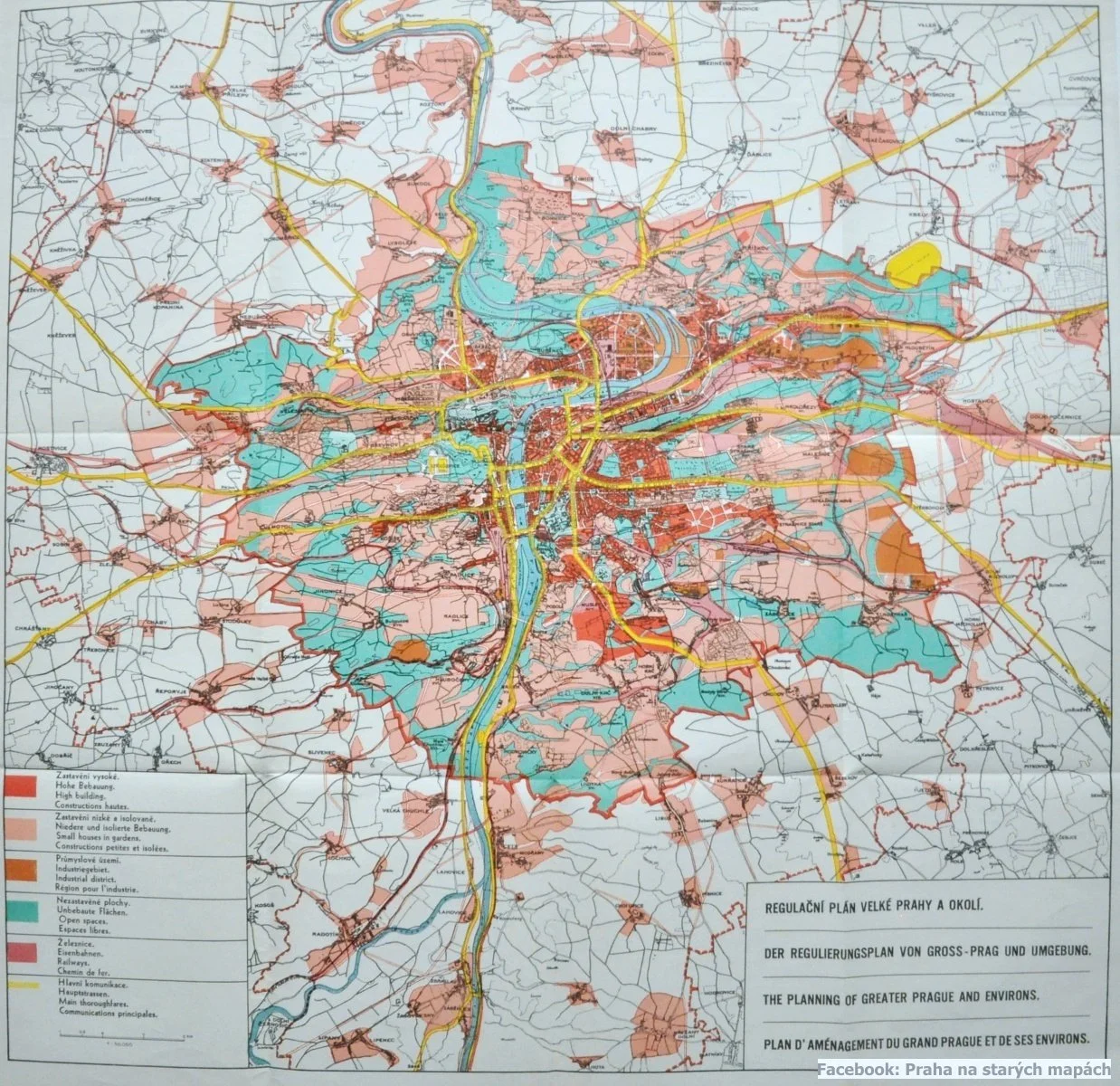
Prague Today: A Modern Capital Built on a Millennium of History
Modern Prague is:
Home to 1.3 million residents
Visited by millions more yearly
Spread across 496 km²
One of the most beautiful and most expensive capitals in Europe
Despite wars, floods, empires, communism, and rapid modernization, Prague has retained an extraordinary amount of its medieval and early modern character. Its layered history is visible at every step—from castle walls and Gothic towers to Baroque palaces and Art Nouveau facades.
WRITTEN BY VALERY
Licensed Prague guide and co-creator of Real Prague Guides (50K+ YouTube subscribers). My company, 100 Spires City Tours, leads some of the highest-rated tours in Prague.
📷 Instagram: @realpragueguides
📺 YouTube: Real Prague Guides
🎫 Book a tour: tours-prague.eu